WHO TAUGHT YOU TO WANT THIS?
You may be winning the wrong game

There is a particularly modern kind of unhappiness that nobody quite knows what to do with. You got the thing you wanted. The job improved. The money improved. People started taking you seriously. Perhaps you acquired the tasteful kitchen, the reassuringly expensive coat and an email signature that suggests somebody somewhere needs your opinion. And yet, rather inconveniently, you don't feel particularly good.
This is usually where we assume something has gone wrong. Perhaps we need another goal. A bigger one. A better house, a promotion, a new business, 10,000 followers, visible abdominal muscles. Whatever the next level happens to be, we decide the problem is simply that we haven't reached it yet.
But what if the problem isn't that you haven't succeeded?
What if you've succeeded at something you never really wanted?
We tend to imagine our ambitions originate somewhere deep inside us, fully formed and entirely our own. They don't. Human beings are extraordinarily suggestible creatures. We are constantly being primed by what we see, hear and repeatedly encounter. Spend enough time around people obsessed with money and you will begin measuring things in money. Spend enough time around people obsessed with status and suddenly the table you get at a restaurant matters. Spend enough time online and you may discover, with alarming speed, that you desperately need a £4,000 sofa you didn't know existed on Tuesday.
The algorithm has made this considerably stranger because it doesn't merely show us what we like. It feeds it back to us, exaggerates it and gradually builds a little universe around it. Look at three videos about renovating a house and by Friday your perfectly decent bathroom has become an affront to civilisation. Watch a few entrepreneurs talking about "scaling" and suddenly earning a normal living doing something you enjoy feels embarrassingly small-time.
We absorb other people's desires and then mistake them for our own.
And because everyone around us is doing much the same thing, the whole arrangement looks perfectly sensible. You work harder to afford things that signal you're doing well. You become busier because important people are busy. You turn hobbies into businesses, interests into content and every mildly enjoyable activity into an opportunity for personal growth.
Eventually you can become very good at a life that makes you miserable.
This is why success can sometimes produce such a peculiar emotional hangover. You expected fireworks. Instead, you got Tuesday.
There is nothing inherently wrong with ambition, money or wanting to be excellent at something. Quite the opposite. The problem begins when we never examine where the desire came from. A goal can be difficult, impressive and socially applauded while still being completely wrong for the person pursuing it.
One of the simplest ways to find out what actually belongs to you is also something adults have become suspiciously bad at: play.
Play is doing something without immediately demanding that it justify itself.
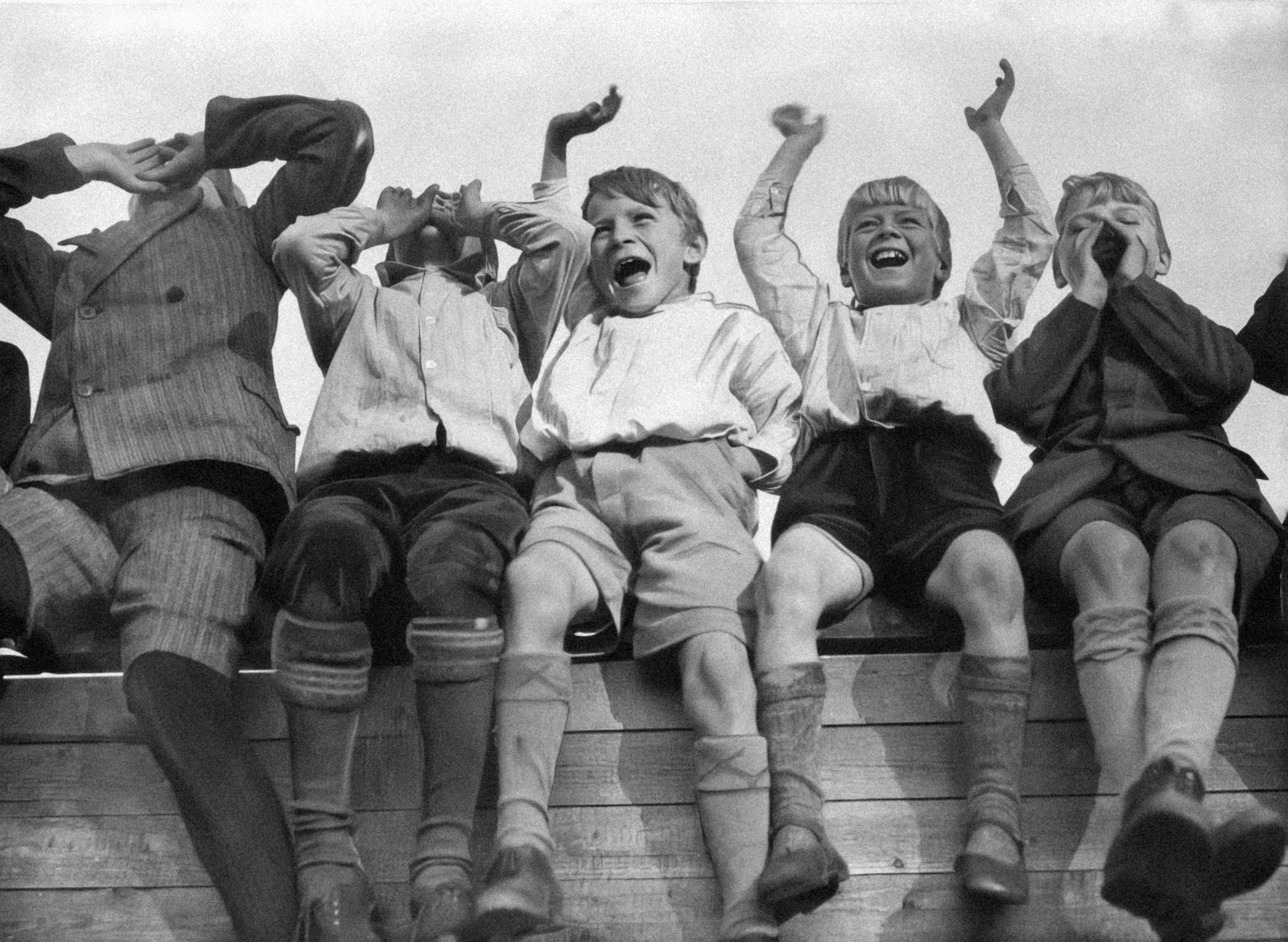
Children understand this instinctively. They draw because drawing is enjoyable. They run because running is enjoyable. They spend forty minutes moving stones from one bucket to another with the concentration of a Swiss watchmaker. Nobody has explained the concept of monetisation to them yet.
Adults, meanwhile, take a pottery class and by week three are wondering whether they should open an Etsy shop.
We have become so accustomed to optimisation that enjoyment without output can feel almost irresponsible. Read faster. Exercise efficiently. Build a personal brand. Network at dinner. Listen to a podcast while walking. Learn Italian while brushing your teeth. Apparently even sleep now requires a score.
But play does something productivity cannot. It gives you information about yourself.
When you do something simply because you enjoy doing it, you temporarily remove the audience. There is no applause to chase and no algorithm telling you what should matter. You begin noticing what gives you energy rather than what looks impressive from the outside.
And that distinction might be one of the most important ones we make.
Perhaps you don't actually want to run a company. Perhaps you like making things. Perhaps you don't want to become famous in your industry. Perhaps you want enough money to work four days a week and spend Fridays restoring an old motorbike. Perhaps the career everyone congratulates you on is the very thing consuming the part of you that once made you interesting.
The answer isn't necessarily to dramatically resign, move to Tuscany and start making olive oil. Although there are worse outcomes.
It might simply be to introduce something into your life that has absolutely no strategic value.
Paint badly. Learn the drums. Grow tomatoes. Make a short film nobody commissioned. Build a chair. Join a choir. Photograph your friends. Cook an absurdly complicated dinner on a Wednesday. Do something you are not particularly good at and resist the temptation to become good enough to sell it.
Then notice what happens.
Because satisfaction isn't always waiting at the top of the ladder. Sometimes it appears when you climb down for an afternoon and remember what you liked doing before somebody told you what success was supposed to look like.
The question, then, isn't only: Am I succeeding?
It is much more dangerous.
Who taught me to want this?