THE IN BETWEEN
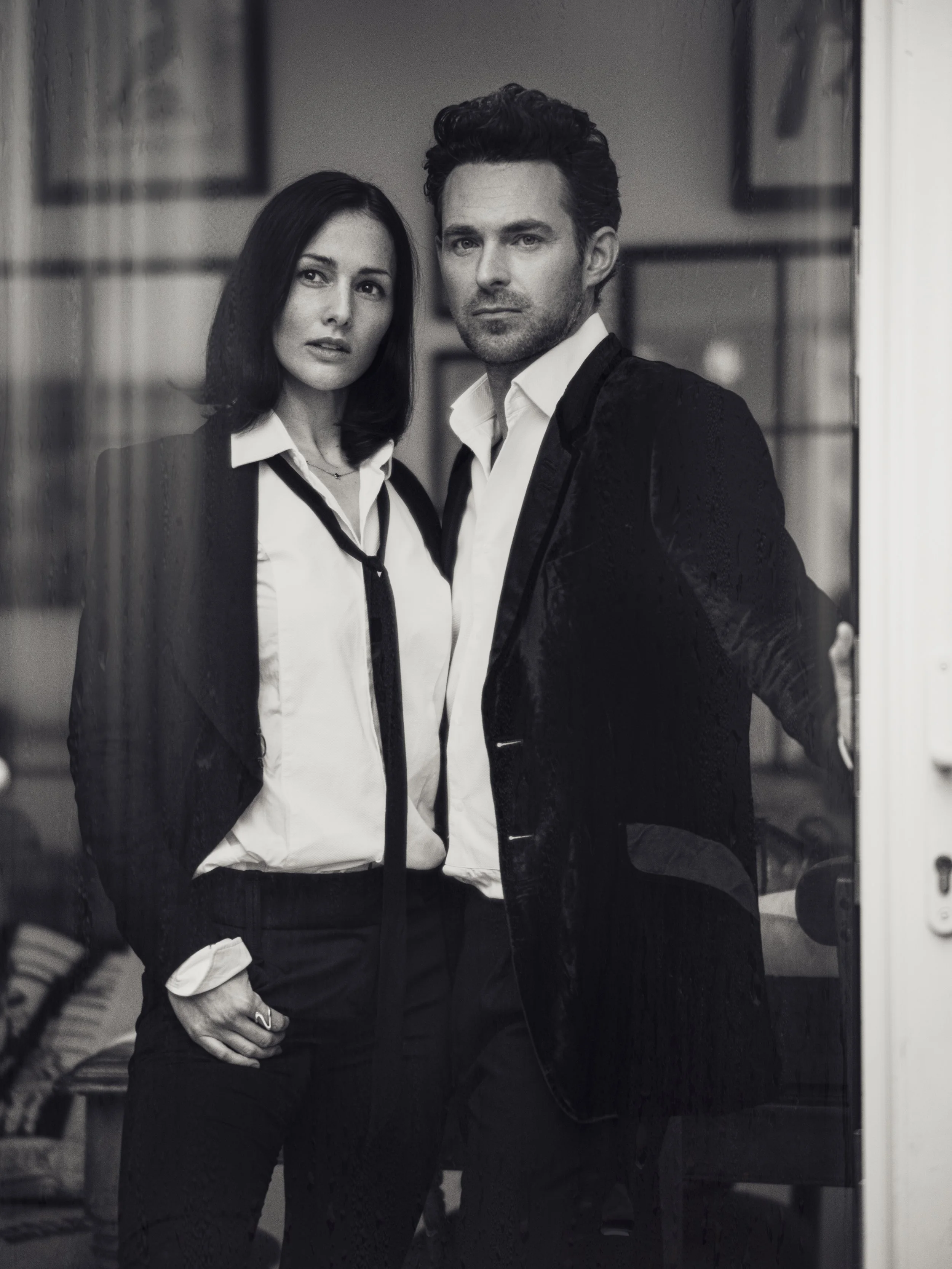
When summer hasn't quite left and autumn hasn't quite arrived, getting dressed becomes considerably more interesting.
There comes a point towards the end of August when getting dressed becomes unexpectedly difficult. The morning suggests autumn, lunchtime insists it is still summer and by evening you are regretting whichever of the two you believed. It is also, arguably, the best time of year for clothes. The simplicity of summer begins to give way to layers, but there is no need yet for the heavy coats and practical necessities of winter. Linen can remain, but with a jacket thrown over it. Bare legs meet knitwear. Suede returns. A shirt can be worn open in the afternoon and buttoned beneath a coat after dark. For a few brief weeks, almost the entire wardrobe becomes available at once. Transitional dressing is often presented as a problem requiring a solution. We prefer to think of it as an opportunity.
THE JACKET RETURNS
There is something reassuring about putting on a proper jacket again after months of trying to wear as little as possible. For men, an unstructured blazer does almost everything required of it at this time of year. Navy is difficult to get wrong, but tobacco, olive, chocolate and charcoal become particularly appealing as summer fades. Wear it over a shirt when necessary, but a fine knitted polo or simple T shirt keeps the whole thing from feeling as though September has arrived more enthusiastically than it actually has. For women, the same principle applies. A beautifully cut blazer over something decidedly summery is often more interesting than committing completely to either season. Wear one over a slip dress, with a silk skirt, or with jeans and a vest that spent July being worn alone. Men's jackets are particularly good here. Slightly oversized, sleeves pushed back and without too much consideration given to whether they were intended for you in the first place. The best transitional clothes are rarely transitional clothes at all. They are simply good pieces being worn differently.
KEEP THE LINEN
Do not exile linen simply because September appears on the calendar. The slightly rumpled linen shirt that looked right beside the sea in July can look even better beneath a suede jacket in September. Cream linen trousers work with knitwear and loafers. A linen dress that felt almost too simple in midsummer changes completely beneath a cardigan or trench coat. There is something beautiful about summer fabrics worn as the season begins to turn. Their lightness against heavier textures makes an outfit feel accidental in precisely the right way. The same applies to colour. White does not suddenly become illegal after August, despite decades of strange fashion rules suggesting otherwise. Cream trousers, pale shirts and soft dresses can remain, particularly when surrounded by darker brown, navy, burgundy and grey. Autumn does not require an immediate surrender to black.
SOMETHING KNITTED
The first knit of the year is one of life's smaller pleasures. It should not yet be enormous. Save the heavy roll neck for November. What works now is something fine enough to disappear beneath a jacket or light enough to carry over the shoulders when the afternoon becomes warmer. A cashmere crew neck, knitted polo or fine cardigan earns its place because it can be put on and removed without requiring an entirely different outfit underneath. Women have another particularly good option in the cardigan worn almost as a blouse. Buttoned against bare skin or over a simple camisole, it belongs equally to a cool morning and a warm afternoon. For men, a fine polo beneath tailoring provides the same useful ambiguity. This is layering without looking layered.
SUEDE WEATHER
If linen belongs to summer and wool to winter, suede seems to understand September perfectly. A brown suede jacket has enough weight to suggest autumn without the severity of a coat. It improves with wear, works with denim as easily as tailoring and looks particularly good against all those summer clothes we are not quite ready to abandon. The same is true below the ankle. Suede loafers, desert boots and softer leather shoes begin to make sense again after months of sandals and canvas. For women, a suede loafer, ballet flat or boot worn with bare legs is one of those combinations that only really works during this narrow part of the year. There is no need for everything to be pristine. In fact, suede becomes considerably better once it stops looking new.
THE TRENCH
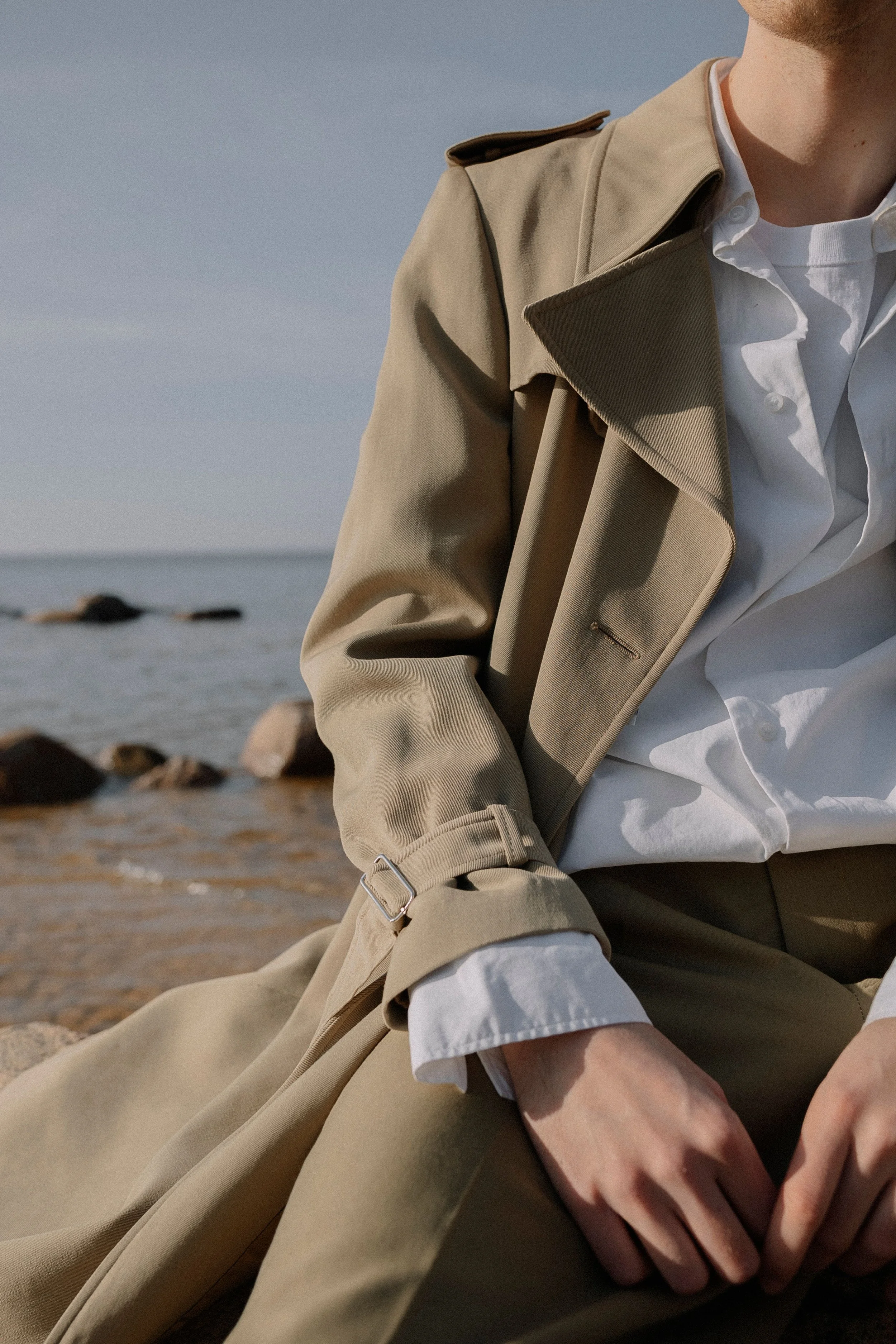
There are garments that become fashionable and garments that simply wait for fashion to return to them. The trench coat belongs firmly to the latter category. It is useful now precisely because it does not provide too much of anything. Enough protection for a wet morning, not so much that carrying it at lunchtime becomes intolerable. Wear it properly when it rains and badly when it doesn't, open, belted loosely or thrown over the shoulders. For women, a trench over evening clothes has a particular glamour because the practicality of the coat makes whatever is underneath feel more extravagant. For men, it works over tailoring without making the wearer look as though winter has arrived prematurely. Buy one good enough and there is very little reason ever to replace it.
BARE ANKLES, FOR NOW
There is a brief period in which autumn clothes can be worn without autumn's inconveniences. Take advantage of it. Wear the loafer without the sock while you still can. Let the skirt meet a jumper rather than tights. Wear the jacket without the overcoat and the dress without worrying about what will fit underneath it later. There will be months for scarves, gloves, enormous coats and sensible shoes. They are coming whether we invite them or not. The pleasure of transitional dressing is that nothing has become compulsory yet.
DON'T CHANGE YOUR WARDROBE. CHANGE THE COMBINATION.
Perhaps the mistake we make each season is assuming that a change in weather requires a change in wardrobe. It rarely does. The clothes that work best in September are often the same ones we wore in June, rearranged. The white shirt remains. So do the jeans, loafers, dresses and jackets. The difference is what sits beside them. A silk dress gains a cardigan. Linen meets suede. Tailoring loses the shirt and finds a knitted polo. Summer white sits beside autumn brown. The wardrobe becomes less divided into seasons and more a collection of things capable of talking to one another. That is when getting dressed becomes interesting. There will be time enough for winter. For now, leave the summer clothes where they are and reach for a jacket.