Capturing Glamour: The Impact of George Hurrell's Iconic Portraits on Hollywood's Biggest Stars
In the glamorous world of Hollywood's golden era, where movie stars were revered as gods and goddesses, one man's lens captured their essence like no other. George Hurrell, a masterful portrait photographer, played a pivotal role in shaping the iconic images of Hollywood celebrities during the 1930s and 1940s. Through his innovative techniques and keen artistic vision, Hurrell transformed actors and actresses into timeless legends, making them appear as divine as the characters they portrayed on the silver screen.
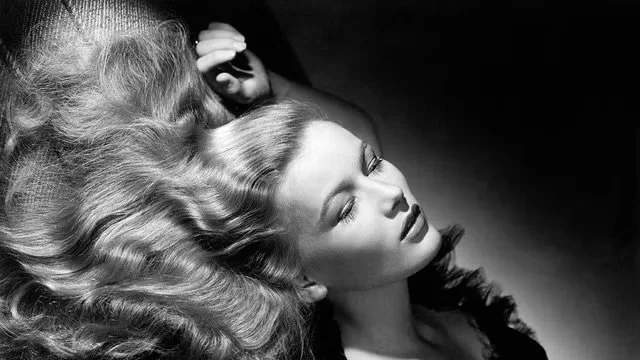
Born in 1904, George Hurrell did not initially intend to become a photographer. He wanted to be a painter. It was an ambition he never entirely abandoned, even after exchanging the brush for the camera. Look closely at his portraits and the influence is there: faces emerging from darkness, bodies sculpted by light, fabric rendered almost tactile. Hurrell did not simply photograph his subjects. He composed them.
By the end of the 1920s, Hollywood was becoming increasingly aware of the power of the still image. The studios did not merely need actors; they needed stars, and stars required mythology. Hurrell arrived at MGM at precisely the right moment.
His portraits helped define what Hollywood glamour would look like for generations. Joan Crawford becomes almost architectural beneath his lights, all cheekbones, eyes and impossible poise. Clark Gable appears less like a man who happens to be handsome and more like the very idea of a leading man. Marlene Dietrich, Greta Garbo, Jean Harlow and Norma Shearer were photographed not simply as performers promoting their latest films, but as figures belonging to a world more seductive than ordinary life.
The transformation happened largely through light.
Hurrell became famous for the dramatic contrast of his photographs. Hard, carefully positioned light illuminated a cheekbone, caught an eye or traced the line of a shoulder while allowing the rest of the image to disappear into rich black shadow. His approach owed something to the dramatic chiaroscuro associated with painters such as Rembrandt, but in Hurrell's hands it became unmistakably cinematic. Faces seemed to glow against darkness.
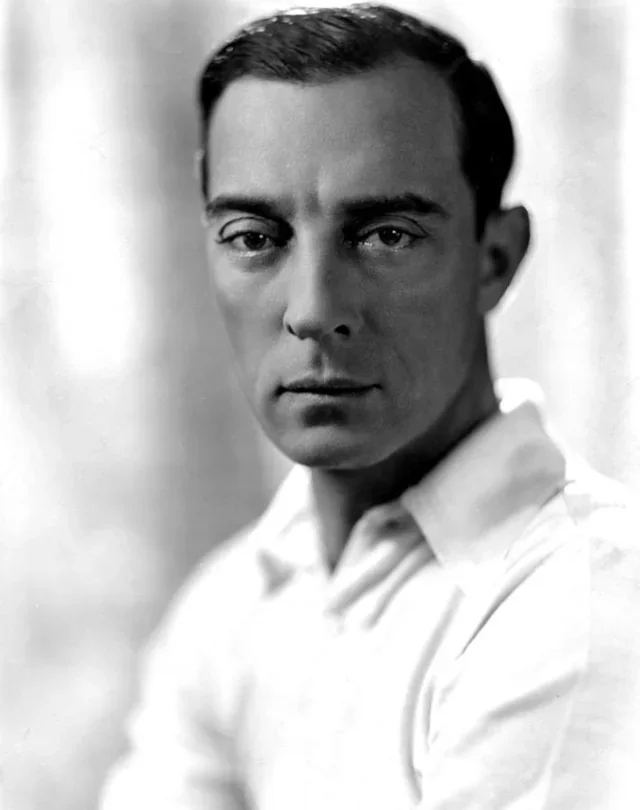
Buster Keaton
There was nothing casual about these photographs. Hurrell meticulously considered pose, composition and the angle of a face. He understood that moving a light or turning a subject by only a few degrees could transform them. His large format cameras captured extraordinary detail, but technical perfection was never the ultimate objective. Everything was in service of the image.
This distinction is important. Hurrell was not attempting to show audiences what a movie star looked like in everyday life. He was showing them what a movie star might become in the imagination.
In the carefully controlled world of the studio system, publicity photography was an essential part of creating that fantasy. Hurrell worked for MGM before establishing his own studio on Sunset Boulevard and later photographed stars associated with Hollywood's major studios. His sitters included some of the defining faces of twentieth century cinema, among them Crawford, Gable, Garbo, Dietrich, Bette Davis, James Cagney and Humphrey Bogart.
Yet despite the elaborate lighting and immaculate construction, his greatest portraits never feel entirely lifeless. There is personality beneath the glamour. Crawford can appear formidable, Dietrich unknowable, Gable amused. Hurrell understood that making somebody beautiful was not enough. The viewer needed to become curious about the person in the photograph.
That may be the reason his work remains so compelling. We live in an age in which famous people are photographed almost continuously. We see actors arriving at airports, leaving restaurants, sitting backstage and photographing themselves at home. There have never been more images of stars, yet remarkably few are intended to become permanent.
Hurrell worked with the opposite ambition. A portrait was an event. Light was constructed, clothes selected, poses considered and the negative carefully worked until the person before his camera seemed larger than life. His photographs were publicity, certainly, but they were also acts of invention.
Nearly a century later, photographers continue to borrow from him. The hard light, deep blacks, luminous skin and sculptural faces of Hurrell's Hollywood can still be found in fashion editorials, advertising and cinematography. But copying the lighting alone misses what made him important.
George Hurrell understood something fundamental about photographing famous people: the photographer's job was not simply to record the star standing in front of the camera. It was to add something to their mythology.
Hollywood supplied the actors.
Hurrell helped make them movie stars.
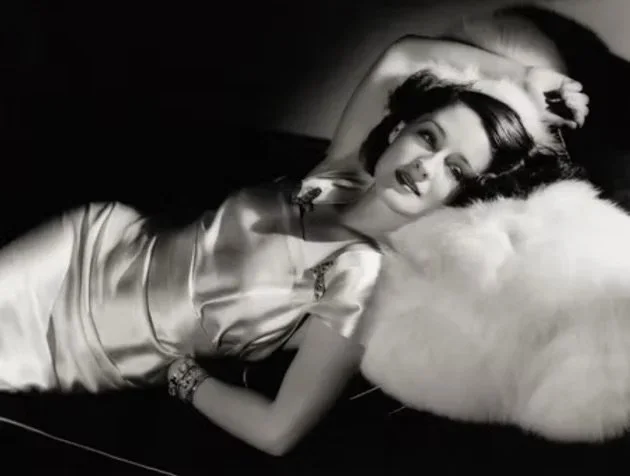
Norma Shearer