THE PHOTOGRAPHER'S LIBRARY
Ten photography books that deserve a permanent place on the shelf.
There is a peculiar irony in looking at great photography on a phone. An image that may have taken months to make, been printed with extraordinary care and sequenced alongside dozens of others is reduced to a glowing rectangle, glanced at for several seconds and replaced with the next.
Photography books demand something different. They have scale and weight. They ask us to turn a page. The sequence matters. So does the empty page between two photographs, the image chosen for the cover and the picture deliberately left without explanation. A good photobook is not simply a convenient place to reproduce photographs. It is often the finished work itself.
This is not intended as a definitive list of the ten greatest photography books ever published. Such a list would be impossible, and probably rather dull. These are simply ten books we believe are worth living with. Books to leave on tables, pull from shelves and return to whenever the endless stream of images begins to make photography feel strangely forgettable.
HENRI CARTIER-BRESSON
HENRI CARTIER-BRESSON
THE DECISIVE MOMENT
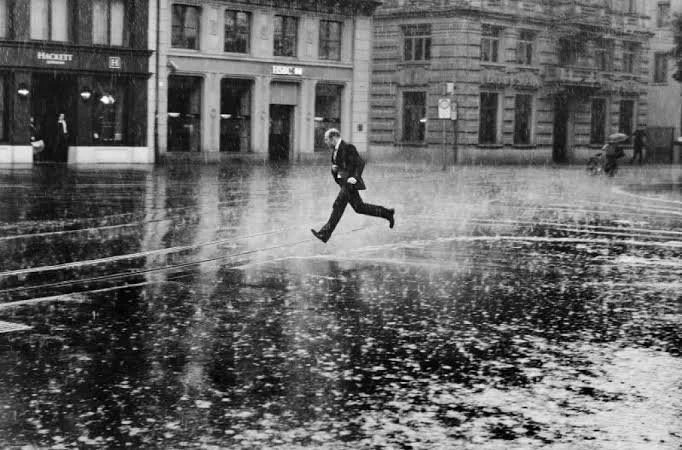
Few phrases have become as inseparable from photography as Cartier-Bresson's “decisive moment”. Published in 1952 as Images à la Sauvette in France, the book brought together photographs made across Europe, Asia and America and articulated an idea that would influence generations of photographers.
Cartier-Bresson believed in recognising the fraction of a second in which form, movement and meaning suddenly align. His photographs can appear effortless because the moment itself feels inevitable. Of course, it wasn't. He simply knew when to press the shutter.
There is much to learn here that has nothing to do with camera settings. Watch. Wait. Pay attention. Don't interfere unnecessarily. Understand that sometimes the photograph exists for only a fraction of a second and that no amount of technical perfection can recreate it afterwards.
In an age when almost every image can be corrected, cropped and manipulated indefinitely, Cartier-Bresson's faith in the moment feels increasingly radical.
ROBERT FRANK
ROBERT FRANK
THE AMERICANS
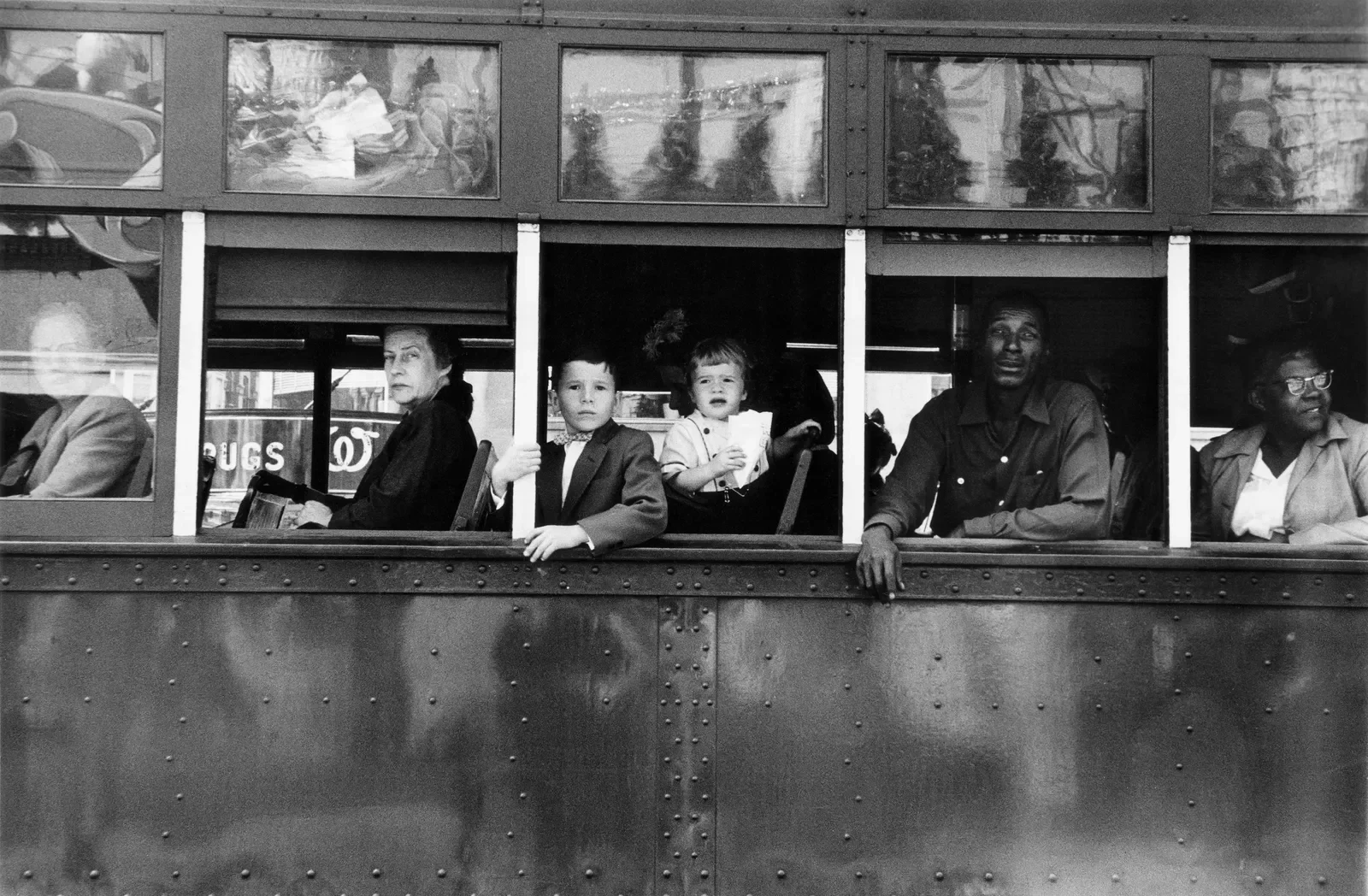
Robert Frank did not photograph the America it imagined itself to be. He photographed the one he found.
Travelling across the United States during the 1950s, Frank turned his camera towards diners, cars, flags, funerals, jukeboxes, highways and faces. The resulting 83 photographs were grainy, frequently dark and sometimes deliberately awkward. They broke many of the rules respectable photography was supposed to obey.
That looseness became enormously influential. The Americans demonstrated that a photograph did not need to be technically pristine to be truthful, and that a sequence of apparently disconnected pictures could accumulate into something resembling a novel.
It remains one of those rare books that can change how the world looks when you close it.
PETER LINDBERGH
PETER LINDBERGH
ON FASHION PHOTOGRAPHY
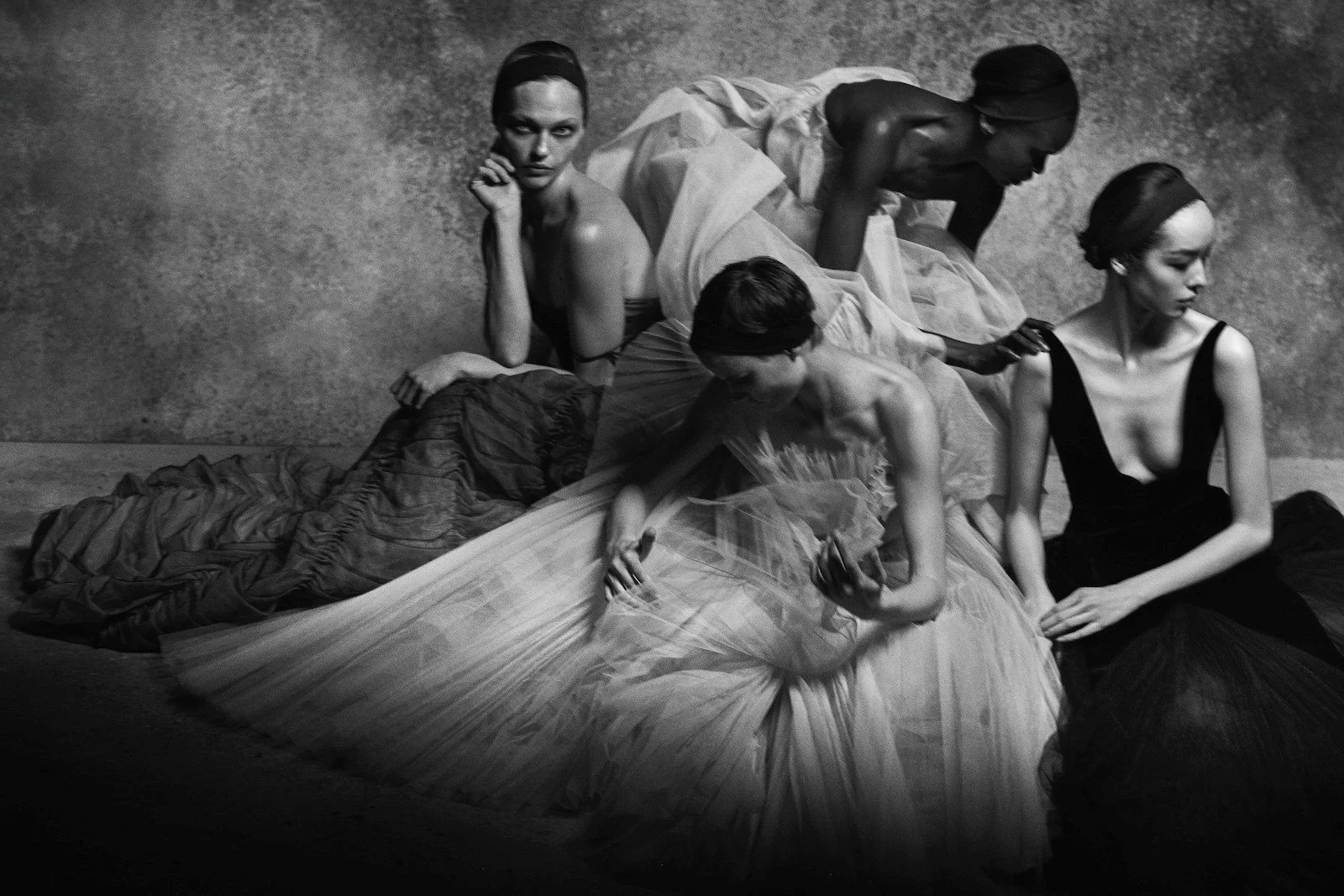
Fashion photography has a tendency to make clothes the protagonist. Peter Lindbergh was more interested in the person wearing them.
His women have lines on their faces. Hair moves. Shirts crease. Makeup disappears. Even when photographing some of the most famous models in the world, Lindbergh seemed determined to find the human being beneath the machinery of fashion.
On Fashion Photography brings together four decades of his work and reminds us that fashion photography need not be shallow simply because beautiful clothes are involved. Lindbergh could create glamour without removing vulnerability.
For portrait and fashion photographers, the lesson is invaluable. Style the photograph as much as you like, but never lose the person.
ALEC SOTH
ALEC SOTH
SLEEPING BY THE MISSISSIPPI
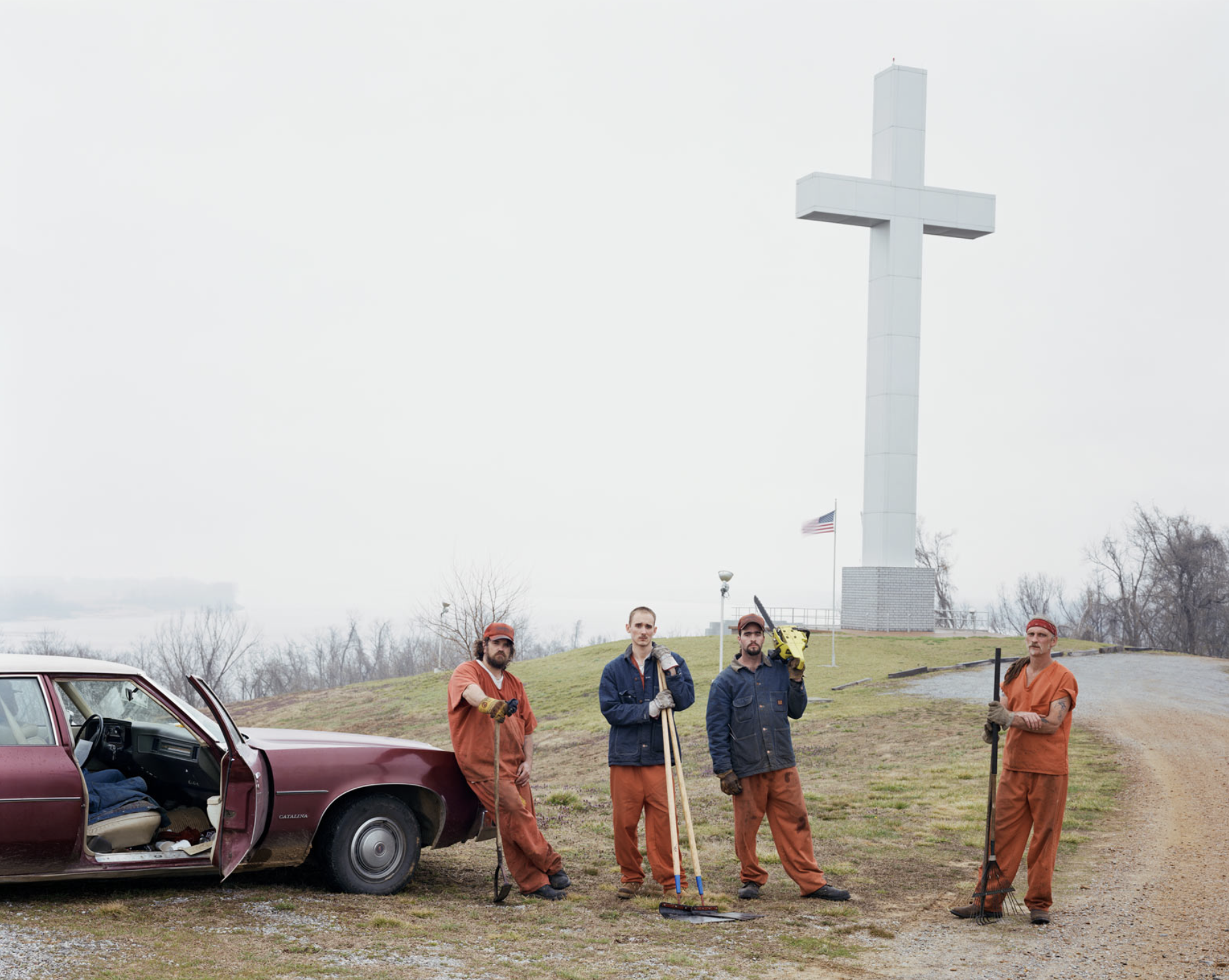
Alec Soth travelled along the Mississippi River photographing people, landscapes, bedrooms, abandoned spaces and objects that seemed to contain stories of their own.
The resulting book feels somewhere between documentary and fiction. There are beds, crosses, handwritten notes, landscapes and extraordinary strangers, but the subject is perhaps something less tangible: longing.
Soth's photographs demonstrate how a body of work can be built through association rather than explanation. One photograph speaks quietly to another. A portrait makes a landscape feel different. An empty room begins to feel like evidence.
It is a book about America, but it is also a book about loneliness, hope and the strange lives taking place behind ordinary doors.
HELMUT NEWTON
HELMUT NEWTON
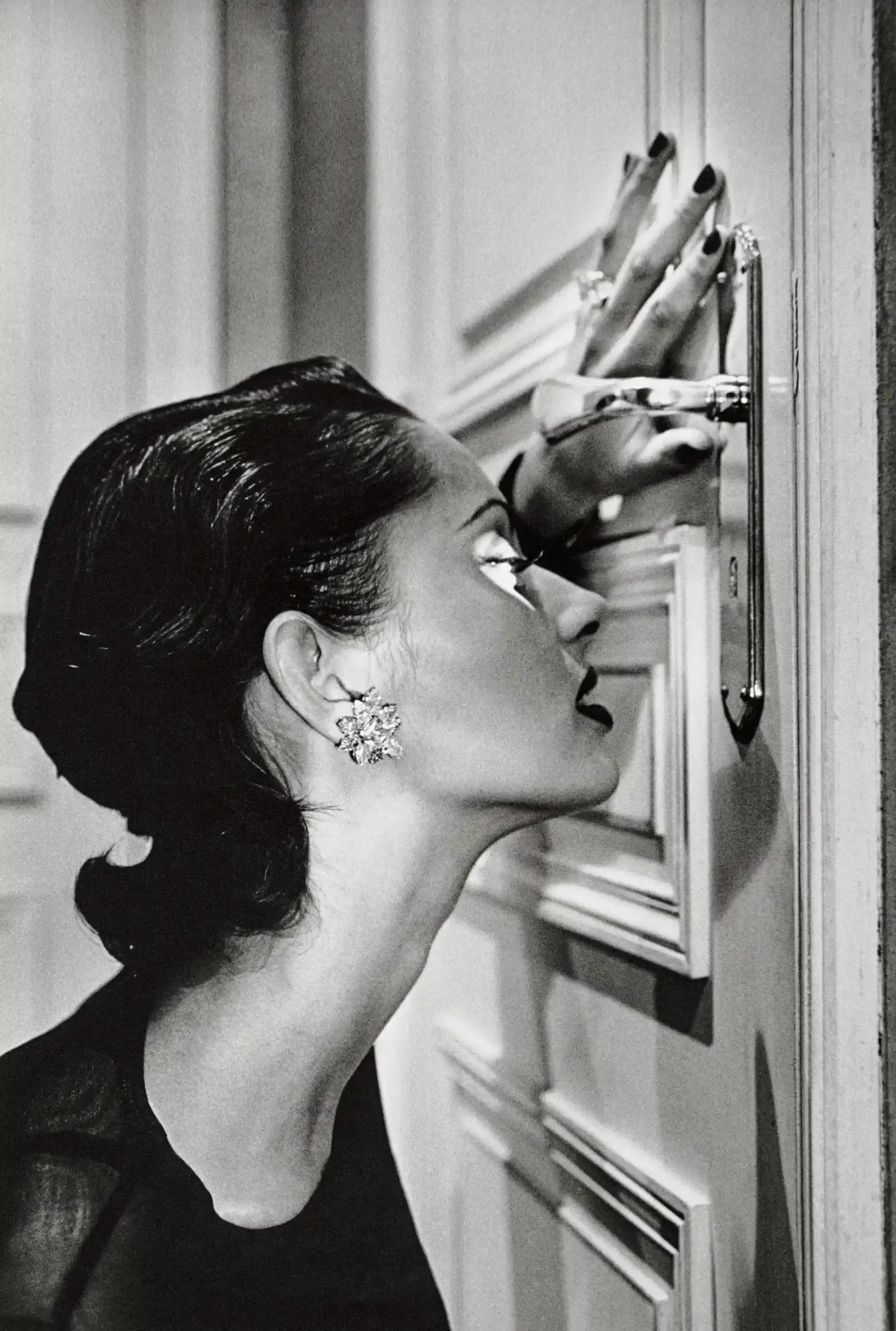
SUMO
Some photography books are objects. SUMO is practically furniture.
The original edition weighed around 30 kilograms and came with its own Philippe Starck designed stand. Everything about it was excessive, which feels entirely appropriate for Helmut Newton.
Inside is the world he constructed throughout his career: fashion, hotels, swimming pools, expensive rooms, powerful women, nudity, danger and a great deal of beautifully controlled provocation.
Newton's influence on fashion photography is difficult to overstate. His pictures are unmistakably staged yet rarely feel lifeless. There is always the suggestion that something happened immediately before the photograph or is about to happen immediately afterwards.
Subtle it is not. Essential it probably is.
DIANE ARBUS
DIANE ARBUS
AN APERTURE MONOGRAPH
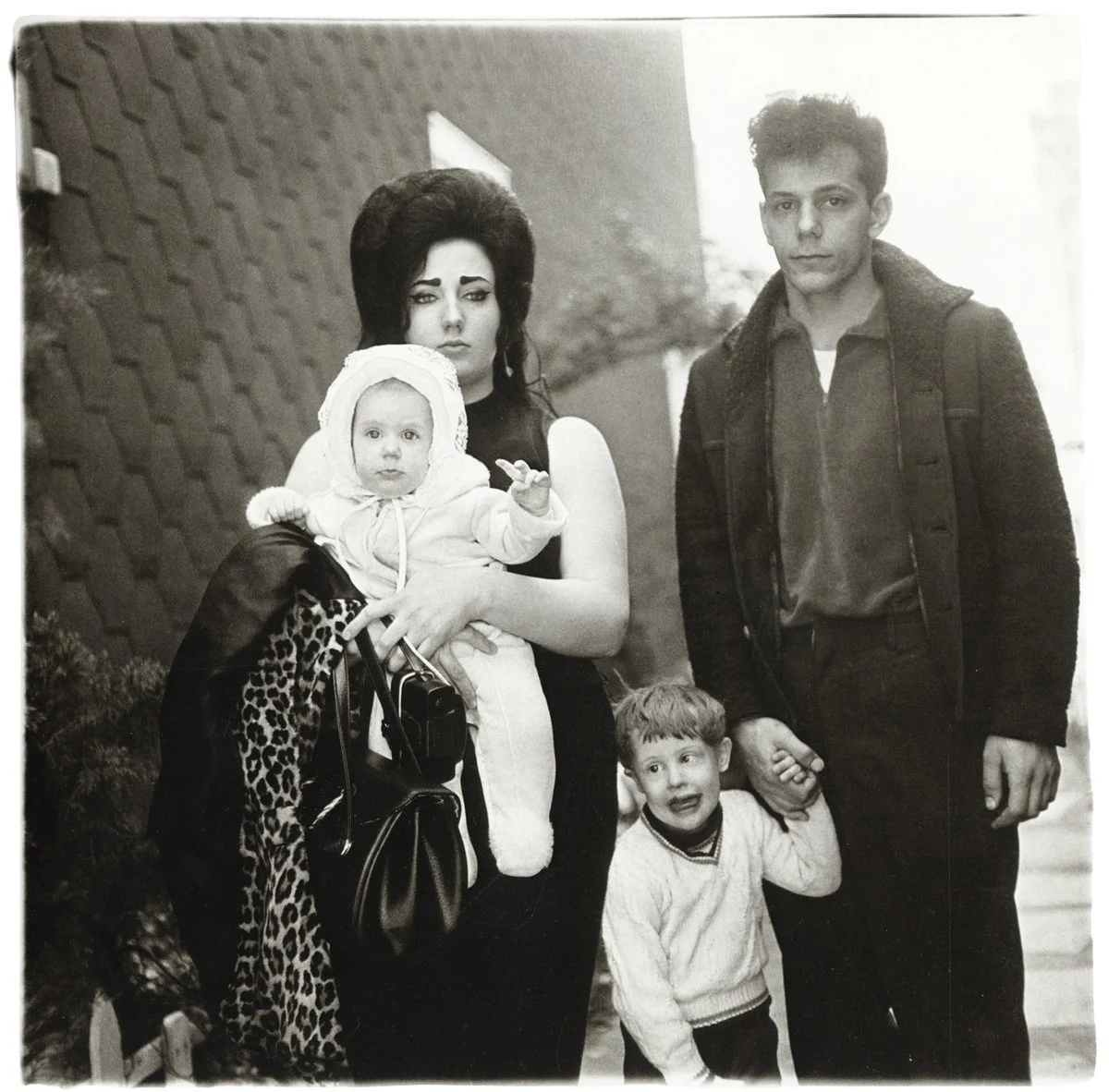
Diane Arbus looked directly at people others frequently looked away from.
Her portraits of performers, couples, children, nudists, society figures and people living at the edges of conventional American life remain unsettling because she resisted turning her subjects into symbols. They stare back.
The Aperture monograph, first published shortly after her death, became one of the most influential photography books ever produced. The images are strange, intimate and occasionally uncomfortable, but their power comes from Arbus's refusal to make the world appear more orderly than it was.
For anyone interested in portraiture, the book raises a question that has no easy answer: what happens when a photographer truly looks at another person?
RICHARD BILLINGHAM
RICHARD BILLINGHAM
RAY'S A LAUGH
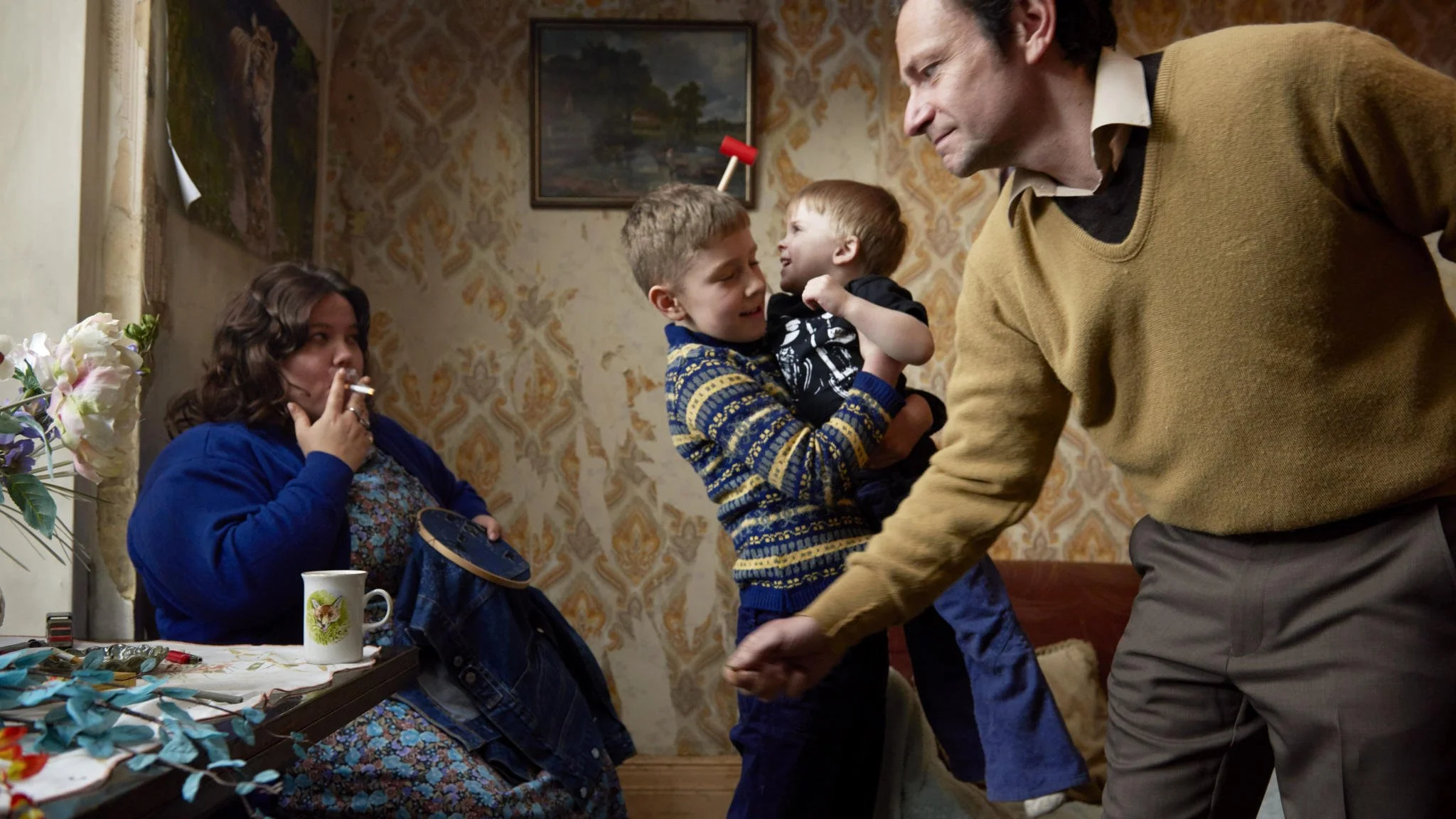
There is nothing polished about Ray's a Laugh.
Billingham began photographing his family in their Birmingham council flat, particularly his alcoholic father Ray and his mother Liz. The photographs are saturated, chaotic, tender, funny and at times deeply uncomfortable.
They were made without expensive sets, elaborate lighting or glamorous subjects. That is precisely why the book belongs here.
Photography can become obsessed with production value. Billingham is a reminder that access, intimacy and an instinct for when to take a photograph can matter considerably more.
The pictures are difficult because they are personal. They are also full of affection. That contradiction is what makes them extraordinary.
MASAHISA FUKASE
MASAHISA FUKASE
RAVENS
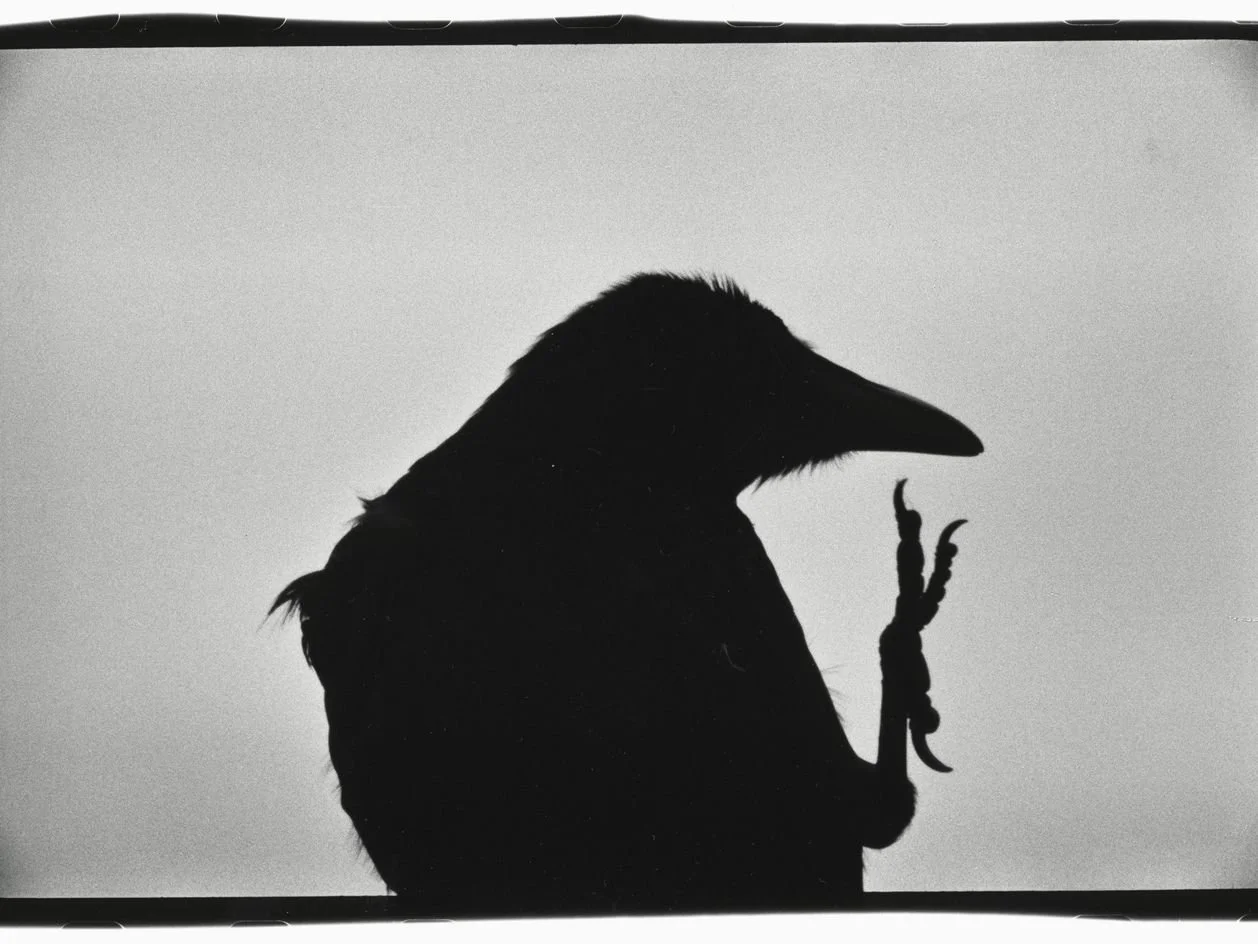
Few photography books sustain a mood as completely as Ravens.
Made during a period of personal upheaval following the breakdown of Fukase's marriage, the book is filled with dark, grainy photographs of ravens in flight, perched against winter skies and dissolving almost completely into blackness.
On paper, a book largely concerned with photographing birds might sound strangely limited. In Fukase's hands they become something else entirely. Loneliness, grief, movement and darkness seem to gather around them.
Ravens demonstrates that photography does not always need to explain itself. Sometimes repetition, atmosphere and instinct can communicate something that straightforward narrative cannot.
It is less a book to study than a book to enter.
STEPHEN SHORE
STEPHEN SHORE
UNCOMMON PLACES
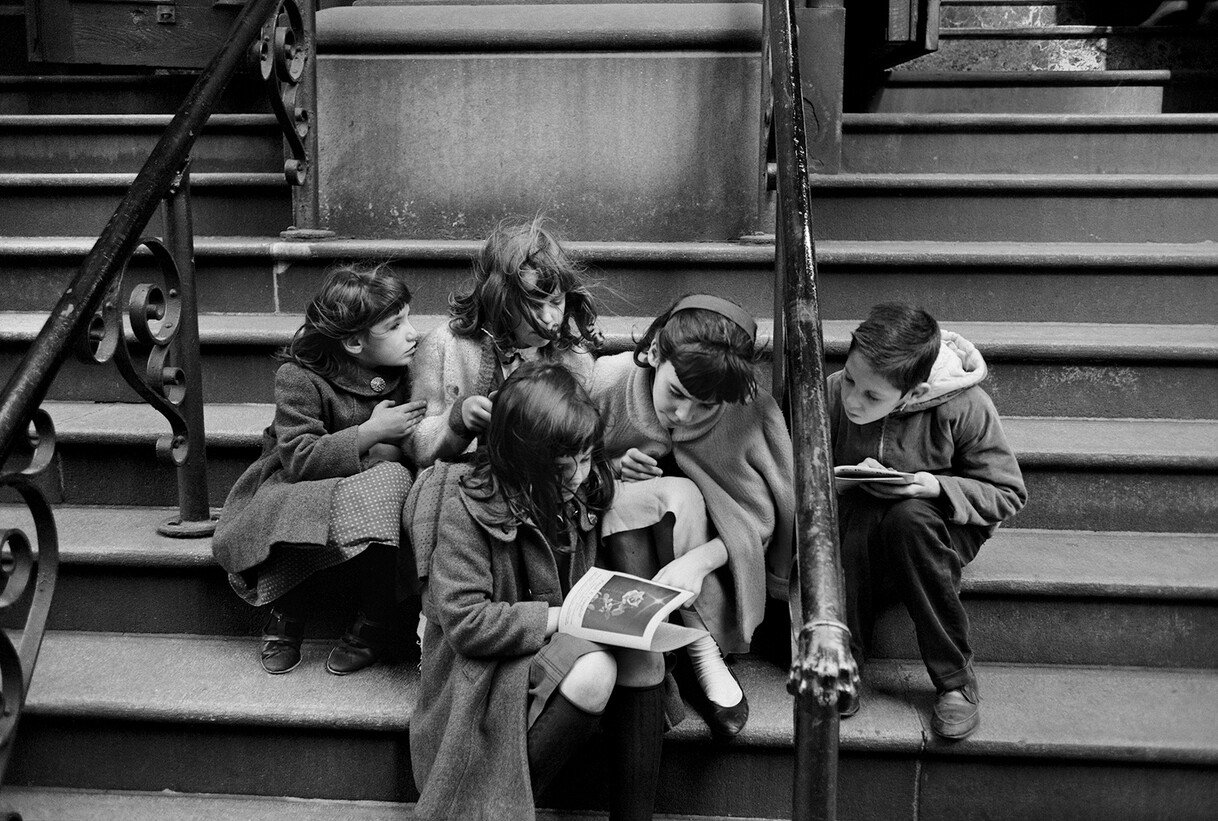
Stephen Shore photographed things that many people would have walked past.
Roads. Motel rooms. Car parks. Shop fronts. Intersections. Plates of food. American towns that did not appear particularly remarkable.
And yet his photographs make looking at these things feel important.
Uncommon Places helped establish colour photography as a serious artistic language at a time when black and white still dominated much of the photographic establishment. But its greater lesson is simpler.
Pay attention to the ordinary.
A photographer does not always need access to extraordinary people or extraordinary places. Sometimes the work is learning how to see what everyone else has stopped noticing.
IRVING PENN
IRVING PENN
PASSAGE
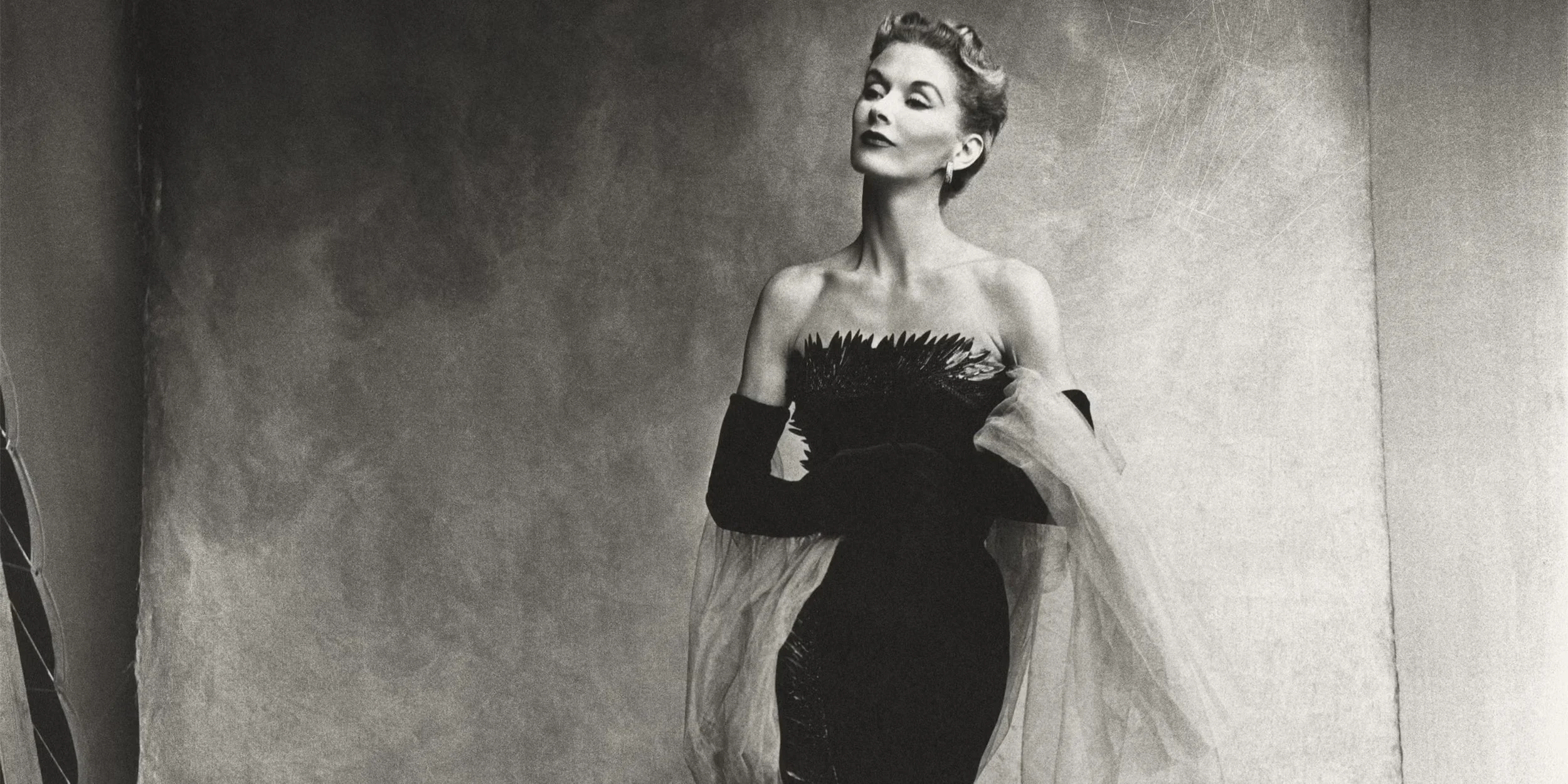
If some photographers spend their careers developing a recognisable subject, Irving Penn seemed capable of making almost anything recognisably his.
Fashion, portraits, flowers, food, cigarettes found in the street and some of the most celebrated cultural figures of the twentieth century all passed before his camera. What connects them is an extraordinary precision of looking.
Passage moves across decades of Penn's work and reveals just how broad his curiosity was. His studio could reduce the world to a backdrop and a patch of light, yet what happened within that space was endlessly varied.
There is discipline in every frame, but rarely stiffness. Penn understood that simplicity is not the absence of ideas. Often it requires more of them.
KEEP THEM CLOSE
Photography books are not instruction manuals, although they can teach more about photography than many books that are.
Cartier-Bresson teaches patience. Frank gives permission to break the rules. Lindbergh reminds us to look beyond the clothes. Soth demonstrates the power of sequence. Newton shows what happens when a photographer commits completely to a world of his own invention. Arbus asks us to look harder at people. Billingham proves that the most important subject may already be in the room. Fukase shows what atmosphere can carry. Shore makes the ordinary worth noticing, and Penn demonstrates the extraordinary possibilities of simplicity.
But perhaps the best reason to own them is less useful than that.
Keep them because photographs deserve to exist somewhere other than a screen. Leave one open on a table. Return to it years later and discover that a picture you barely noticed the first time has somehow become your favourite.
A library should contain books that change the way you think.
A photographer's library should contain books that change the way you see.