THE INTERNET HAS RUINED THE SURPRISE
We know what the hotel room looks like, what everyone ordered and whether the ending is disappointing before we’ve even left the house. Perhaps we have become a little too well informed.
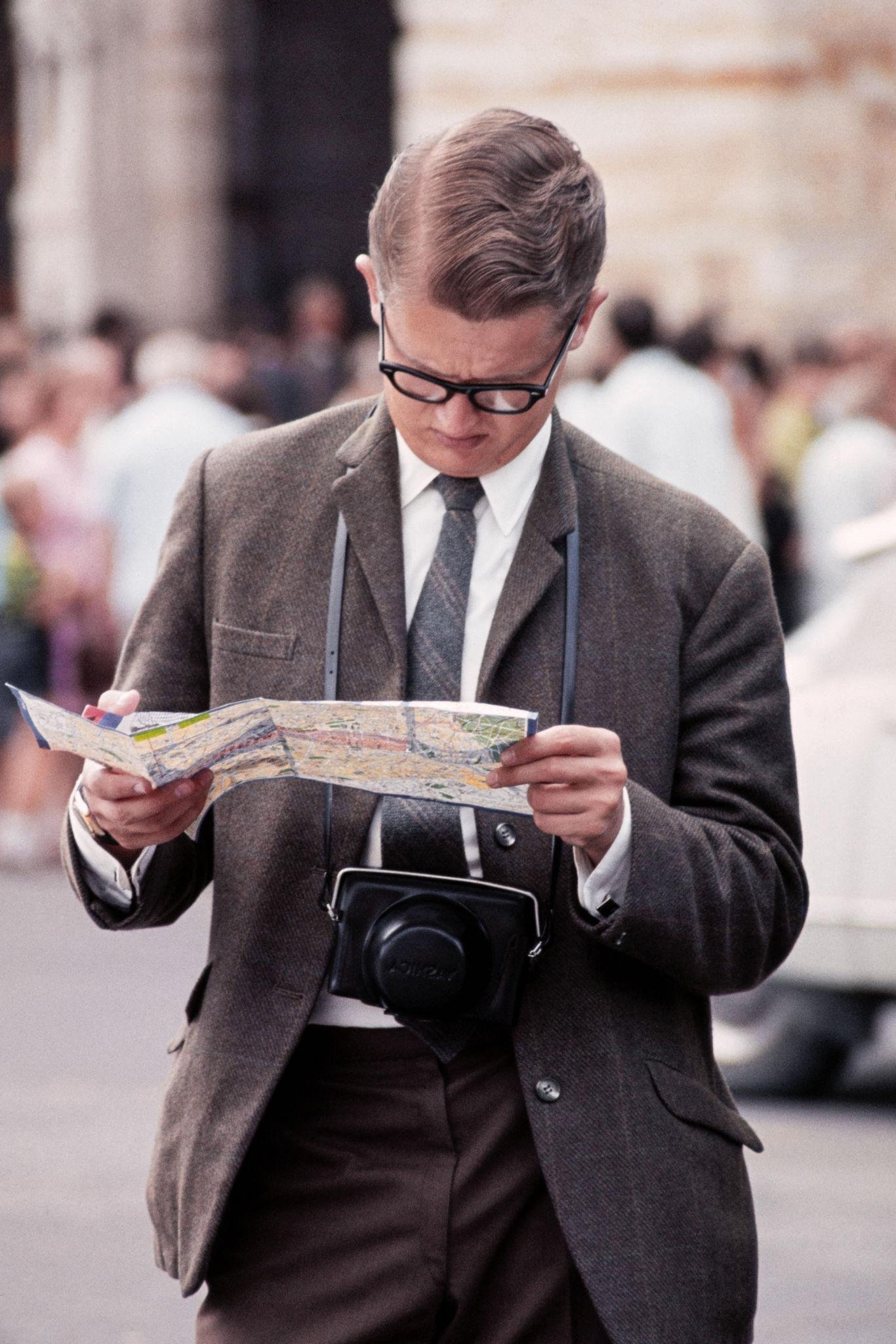
I went to a restaurant recently and realised, with some embarrassment, that I already knew where I wanted to sit. I had never been there before. I knew the table by the window was nicer, that the steak was apparently excellent, that everybody photographs the same pudding and that the loos were painted a very good shade of green. I knew all this because I had spent ten minutes looking at the restaurant online before booking it, which seemed perfectly sensible at the time and completely deranged once I was actually there.
There was nothing left for the restaurant to do except live up to the photographs.
We do this constantly now. Before booking a hotel, we inspect every bedroom from six angles, read 400 reviews and discover that Malcolm from Guildford found the pillows “a little disappointing.” We look at the breakfast buffet, the swimming pool, the view from room 17 and the precise arrangement of toiletries beside the sink. By the time we arrive, we are not discovering somewhere new. We are checking it against the evidence.
Travel used to contain a certain amount of jeopardy. Not proper jeopardy, hopefully, but the possibility that the hotel you had booked from a photograph in a brochure might turn out to be magnificent, peculiar or absolutely dreadful. You might open the shutters and find the sea. You might find a brick wall. Either way, something happened.
Now Google Street View will practically escort you from the airport.
This is obviously useful. I am not suggesting we throw away our phones and book £300-a-night hotels based on a thumbnail and a hunch. There are enormous advantages to knowing that the charming rural inn is actually beside the A38, or that the “intimate bathroom” has no door. Information has saved us from many terrible weekends.
But it has also removed something.
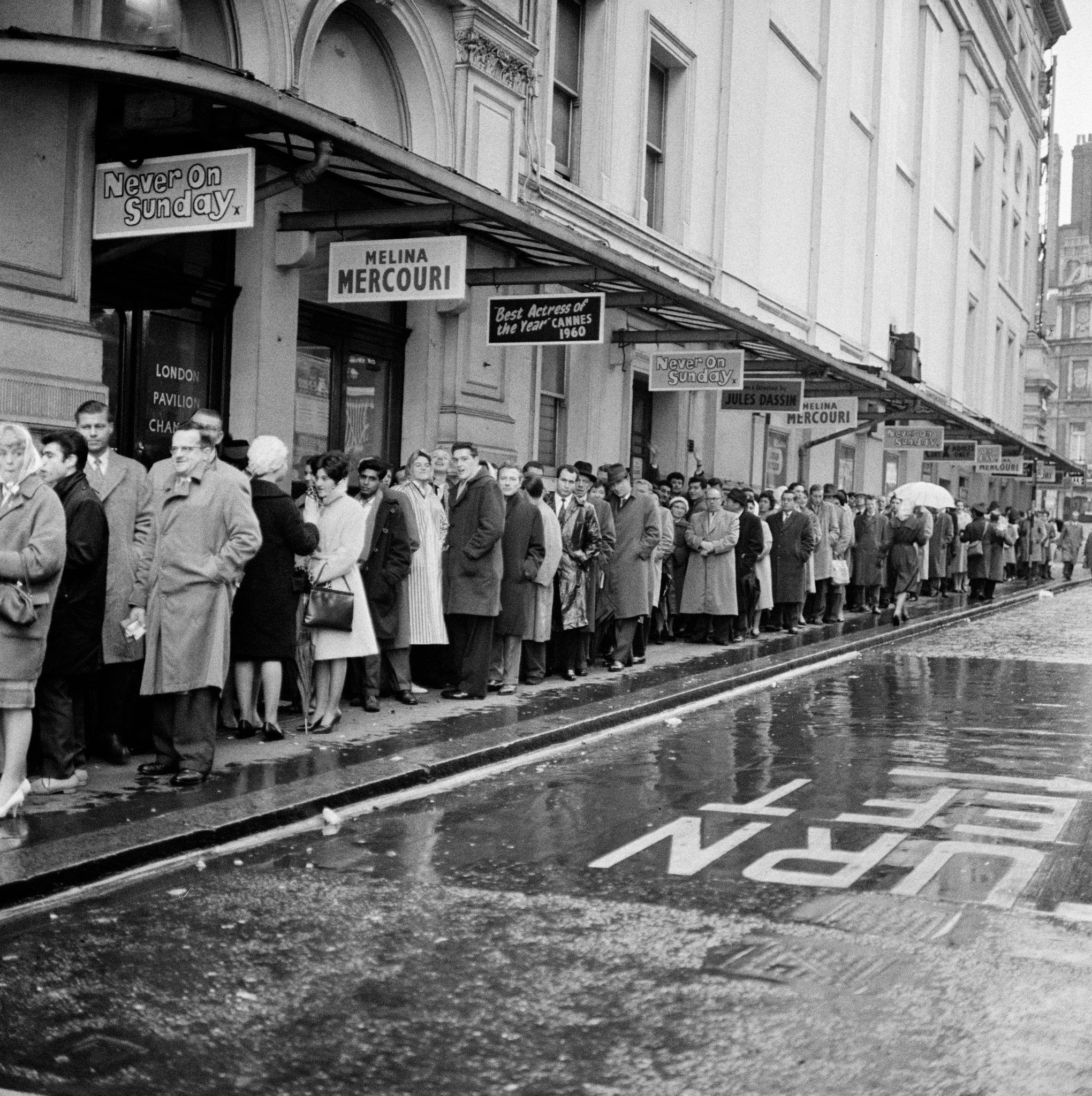
Films have suffered particularly badly. A trailer appears months before release, followed by another trailer, a teaser, a character poster, an interview in which the actors discuss making it, a clip from the film, another clip from the film, photographs from the premiere, reviews, reactions to the reviews and eventually somebody on TikTok telling you that “you won’t BELIEVE the ending” while coming perilously close to telling you the ending.
Then you go to the cinema.
You have practically already seen it.
Even when nobody spoils the plot, they spoil the possibility of forming your own opinion. Before you have decided whether something is funny, frightening, beautiful or terrible, you know that Rotten Tomatoes has given it 83 per cent and somebody with 2.7 million followers thinks the third act is problematic. We arrive at culture carrying everybody else’s thoughts around with us like hand luggage.
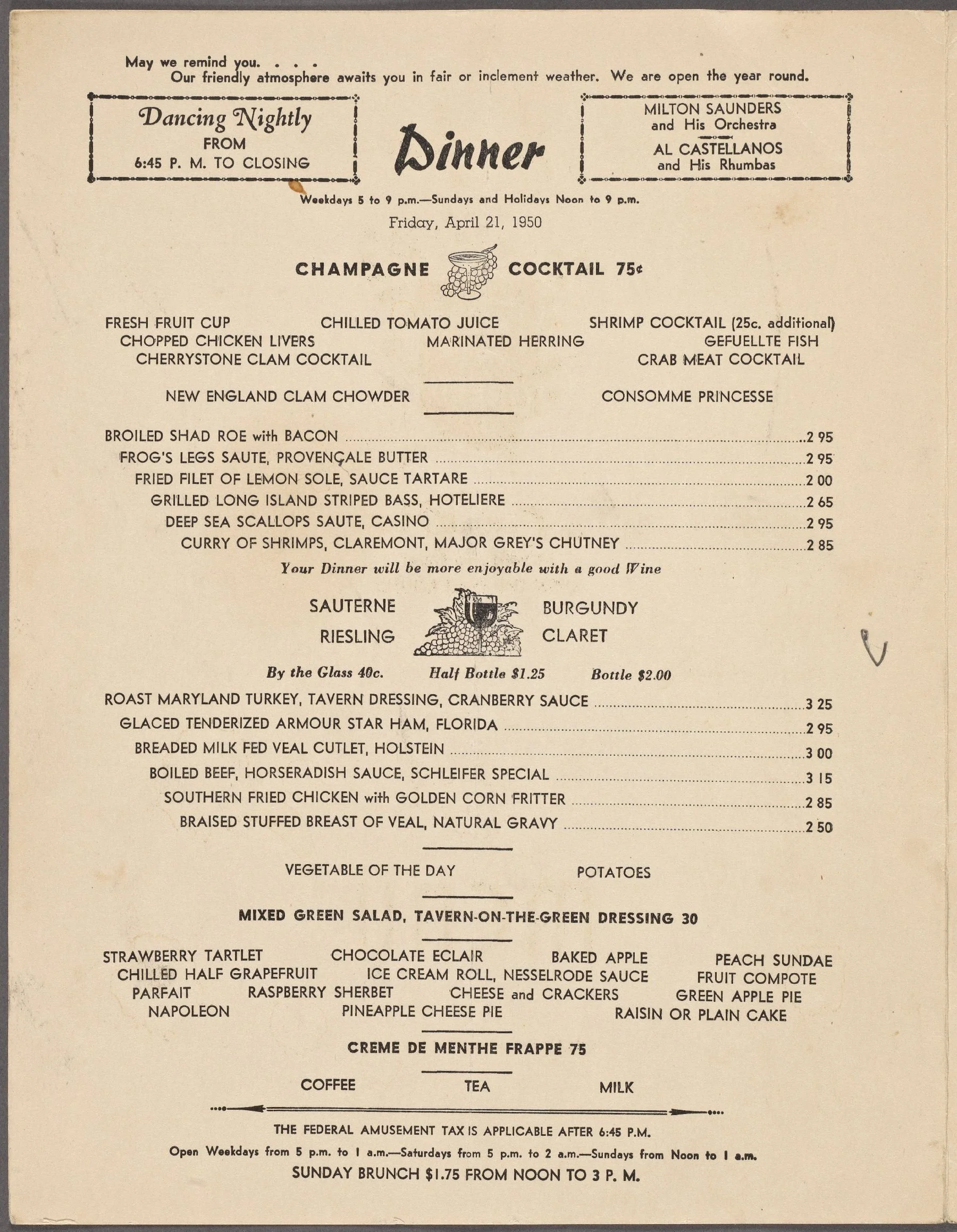
Restaurants may have it worst. There is something wonderfully absurd about being handed a menu and pretending to consider it when you decided what to order on Tuesday. You have seen the pasta. You have read about the pasta. You have watched a woman you have never met lift the pasta towards the camera in slow motion. You may even know that the pasta is “a MUST.”
Then the pasta arrives and there it is, poor thing, expected to perform.
This is perhaps why so many places now seem designed to be recognised rather than discovered. The pink room. The striped awning. The photogenic martini. The famous bathroom. A restaurant can no longer simply be a restaurant; it needs one corner that people will photograph to prove they were in the restaurant. We have somehow turned eating lunch into location scouting.
Holidays have gone the same way. Search for somewhere beautiful in Sicily and within half an hour you will have a complete itinerary assembled by strangers. Here is the beach. Here is the restaurant. Here is exactly where to stand at sunset. Here is the dress somebody wore while standing there. Here is the little shop nobody knows about, recommended in a video watched by 4.8 million people.
We have become very good at finding hidden gems and, as a result, there are almost no hidden gems.
The strange thing is that the internet was supposed to make the world feel enormous. Everything was suddenly available to us: obscure films, tiny hotels, restaurants in villages we had never heard of, music from anywhere, photographs of places we might never visit. Instead, it can sometimes make the world feel oddly small because we are all being shown the same bits of it.
There is another casualty in all this: anticipation.
Anticipation requires a gap between knowing something is going to happen and knowing exactly what it will be like. That gap used to be enormous. You bought a cinema ticket because you had seen the poster. Someone recommended a restaurant and you went. A friend came back from somewhere and told you it was wonderful, and that was about as much research as anyone could reasonably be expected to conduct.
Now we fill the gap.
We research the restaurant in the taxi on the way there. We look at photographs of the hotel while sitting on the plane. We watch videos of somebody unboxing the thing we have just ordered while waiting for our own one to arrive. We cannot bear not knowing, even briefly.
And yet some of the best experiences begin with knowing very little. Walking into a bar because it looks nice. Ordering the thing you cannot quite translate. Seeing a film because you like the director. Buying a book without checking Goodreads. Turning down a street because there is something interesting at the end of it.
Occasionally this will go badly. You will eat a terrible lunch. The film will be dreadful. The charming shop will contain 700 fridge magnets and a rack of novelty aprons.
Good.
At least you found out yourself.
Perhaps surprise is not something the modern world has taken from us entirely. Perhaps we have simply developed a habit of removing it in advance. We could stop. Not completely. Nobody needs to resurrect the era of arriving at a hotel at midnight to discover the bathroom is shared with a Belgian school trip. A little information is civilised.
But maybe next time someone recommends a restaurant, don't immediately look at every photograph. Don't read the menu. Don't find out what everyone says you should order. Go there hungry and see what happens.
And for goodness sake, don't look at the loos.