20 FILMS: THE END OF THE WORLD
Twenty films for when a mild sense of peril simply won’t do.
There is something strangely comforting about a disaster film. Perhaps it’s the reassurance that whatever is happening in your life, at least Los Angeles isn’t currently sliding into the Pacific. Or perhaps it’s simply the pleasure of watching extremely attractive people maintain excellent hair while outrunning a tidal wave.
Whatever the reason, cinema has been destroying the world for decades, with increasingly imaginative methods and varying respect for the laws of physics. Sometimes the results are genuinely terrifying. Sometimes they involve Gerard Butler shouting at the weather. We have time for both.
So close the curtains, find something unnecessarily large to eat and enjoy twenty films in which everything goes spectacularly wrong.
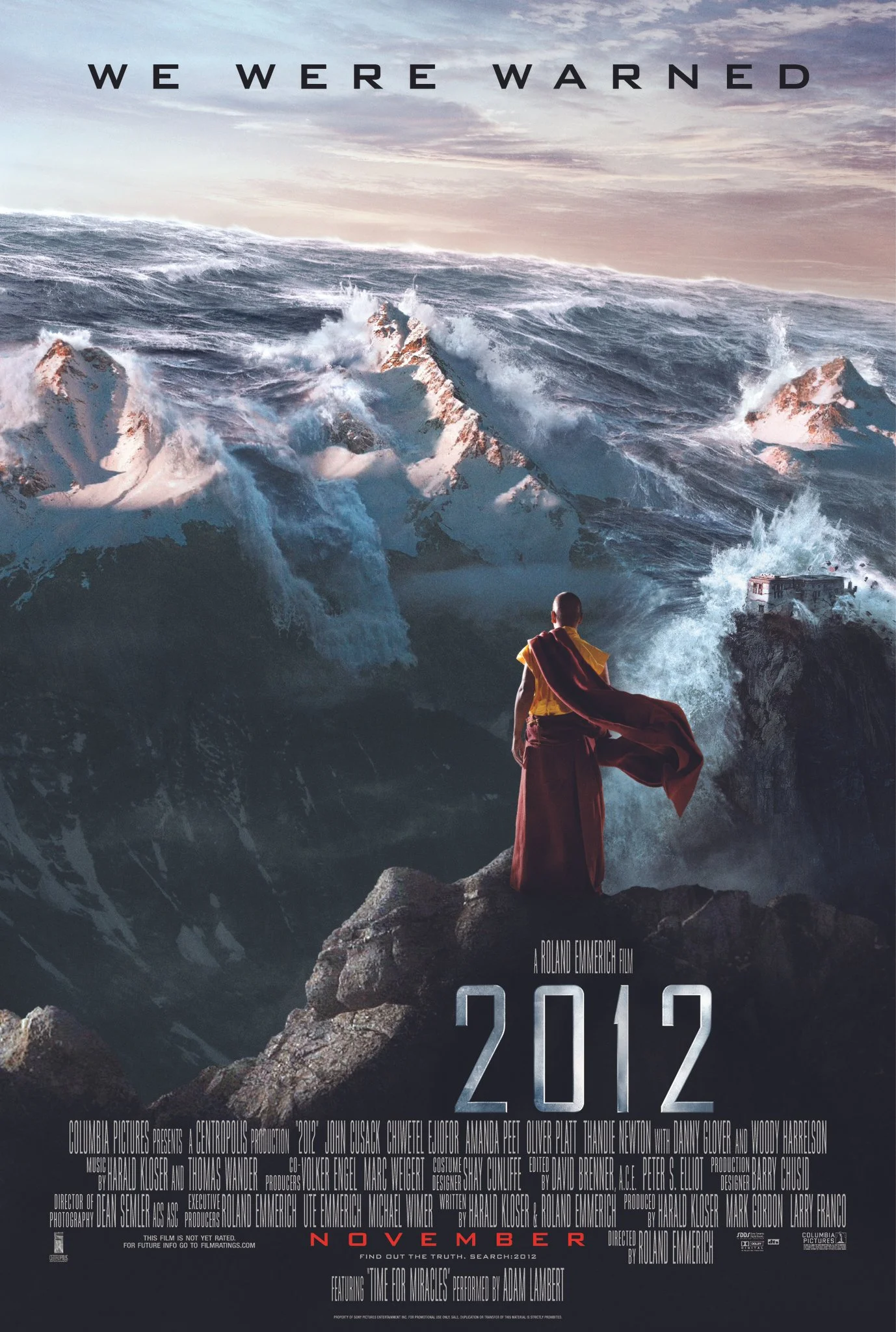
1. 2012 (2009)
Let’s begin with the big one.
Roland Emmerich does not believe in small problems. In 2012, California falls into the Pacific, Yellowstone erupts, the Himalayas flood and John Cusack somehow continues to make his connecting flights.
It is enormous, preposterous and completely committed to its own insanity. Buildings collapse seconds after our heroes escape them, aeroplanes take off from runways that are actively disappearing, and the entire planet appears to have developed a personal vendetta against one family.
Scientific accuracy was clearly not invited to the meeting. Entertainment, however, very much was.
Best watched: On the largest television available.
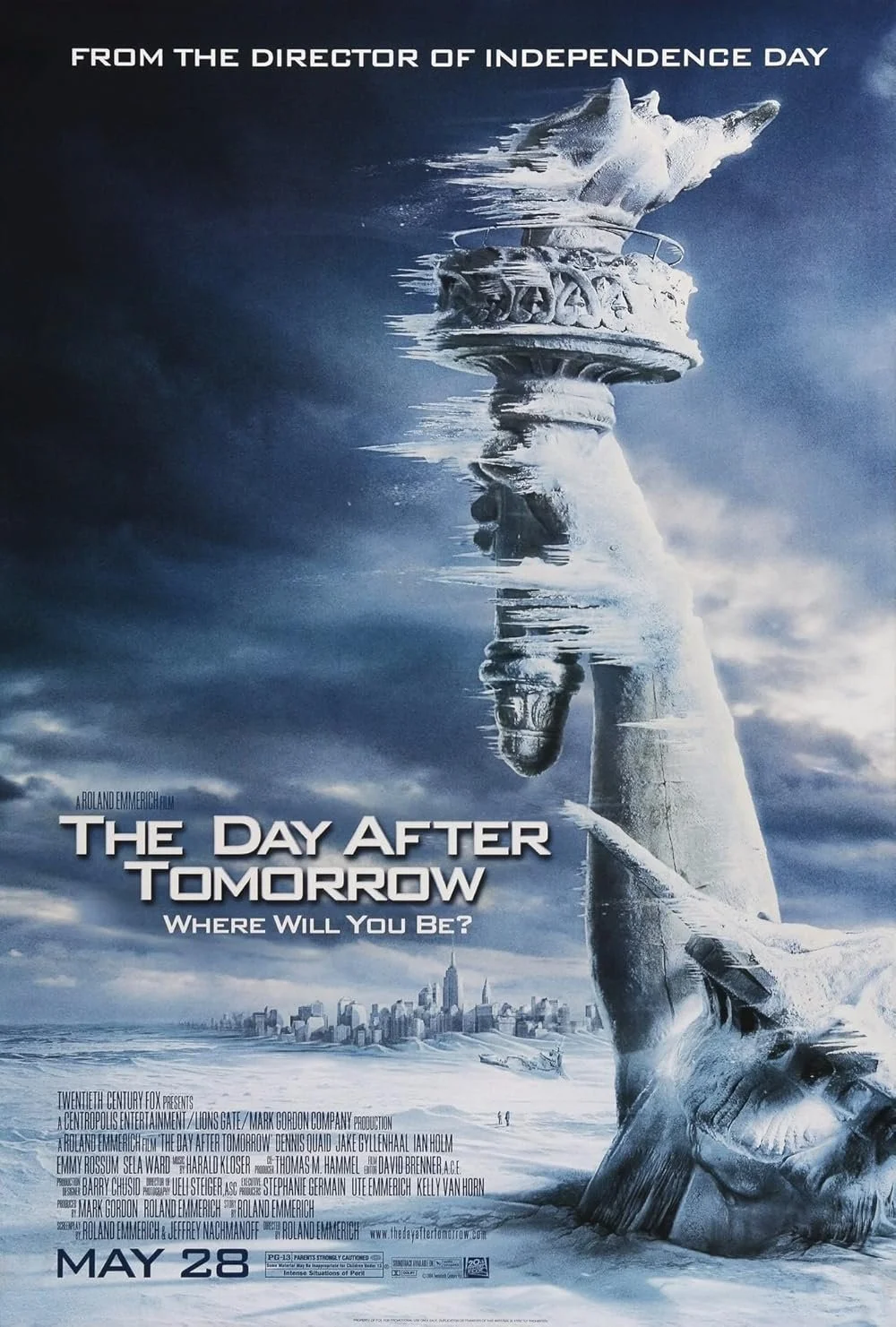
2. The Day After Tomorrow (2004)
Before 2012, Emmerich froze the world instead.
Climate catastrophe arrives with extraordinary efficiency: tornadoes tear through Los Angeles, Manhattan disappears beneath water and Britain is essentially written off by lunchtime.
Jake Gyllenhaal takes refuge in the New York Public Library while Dennis Quaid sets off through the snow to find him, creating the rather wonderful spectacle of an apocalyptic blockbuster becoming a story about a father refusing to give up on his son.
It also gave an entire generation a completely irrational fear of stepping outside whenever the temperature suddenly drops.
Best watched: During terrible weather, obviously.
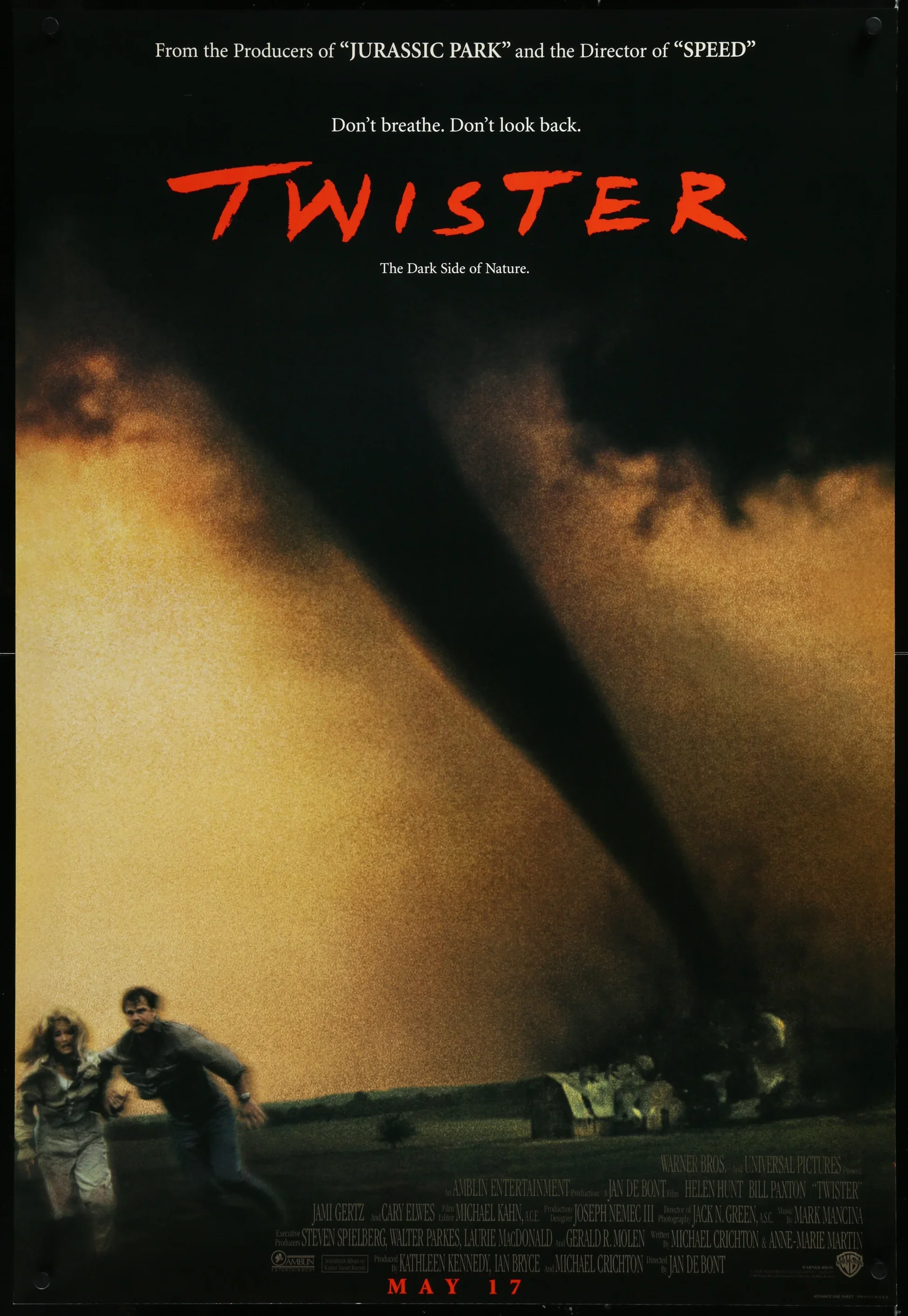
3. Twister (1996)
Before every disaster film required the destruction of the entire planet, sometimes one extremely angry tornado was enough.
Helen Hunt and Bill Paxton play storm chasers pursuing increasingly violent tornadoes across Oklahoma while simultaneously attempting to resolve their marriage, because apparently neither problem was stressful enough on its own.
The effects still work, the chemistry works even better and the flying cow remains one of cinema’s great supporting performances.
Twister is less apocalypse than adrenaline, and all the better for it.
Best watched: With the windows rattling.
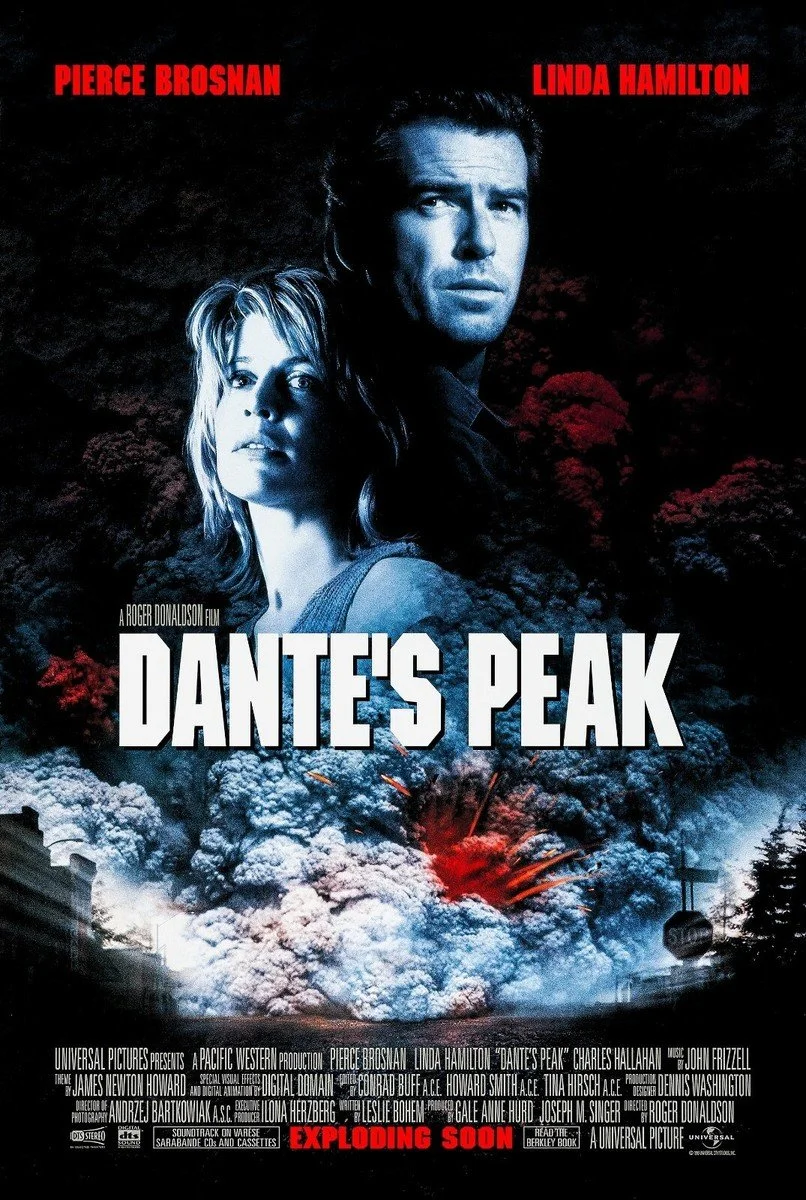
4. Dante’s Peak (1997)
Pierce Brosnan versus a volcano.
That should probably be enough.
Brosnan plays a volcanologist who arrives in an idyllic American town and notices several fairly significant indications that the enormous mountain looming over it might be about to explode. Naturally, nobody particularly wants to hear this.
What follows is pure 1990s disaster cinema: evacuation panic, collapsing bridges, rivers of lava and one deeply committed grandmother.
It is tense, cosy and enormously rewatchable.
Best watched: On a Sunday afternoon when you have absolutely nowhere to be.
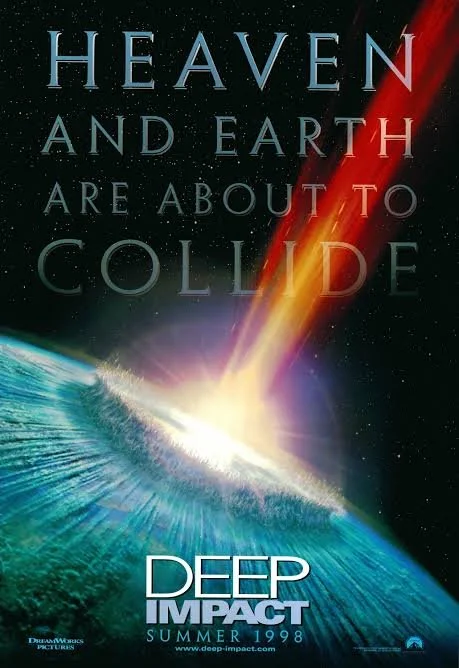
5. Deep Impact (1998)
An enormous comet is heading towards Earth and, unusually for this genre, everyone behaves rather seriously about it.
Where Armageddon reaches for rock music and swagger, Deep Impact is quieter and considerably more interested in what people might actually do if they knew the world could end.
There are bunkers, impossible decisions and a final act that remains surprisingly moving.
The tidal wave is spectacular. The human stuff is what stays with you.
Best watched: When you want your apocalypse with feelings.
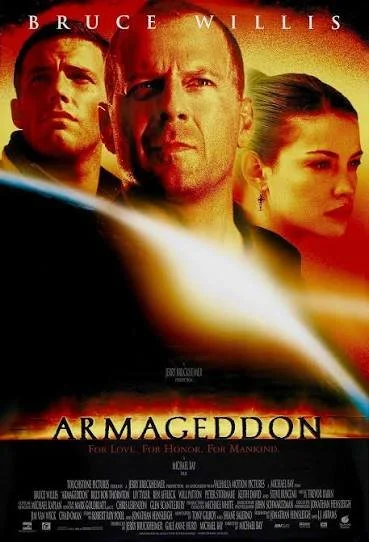
6. Armageddon (1998)
And then there is the other asteroid film.
NASA needs to destroy an asteroid. Naturally, the obvious solution is to send Bruce Willis and a collection of oil drillers into space.
Absolutely none of this should work. Somehow, magnificently, it does.
Michael Bay throws everything at it: explosions, romance, Aerosmith, slow-motion walking and enough American flags to furnish a small embassy.
By the time Bruce Willis is saying goodbye to Liv Tyler, resistance is futile.
Best watched: Loud.
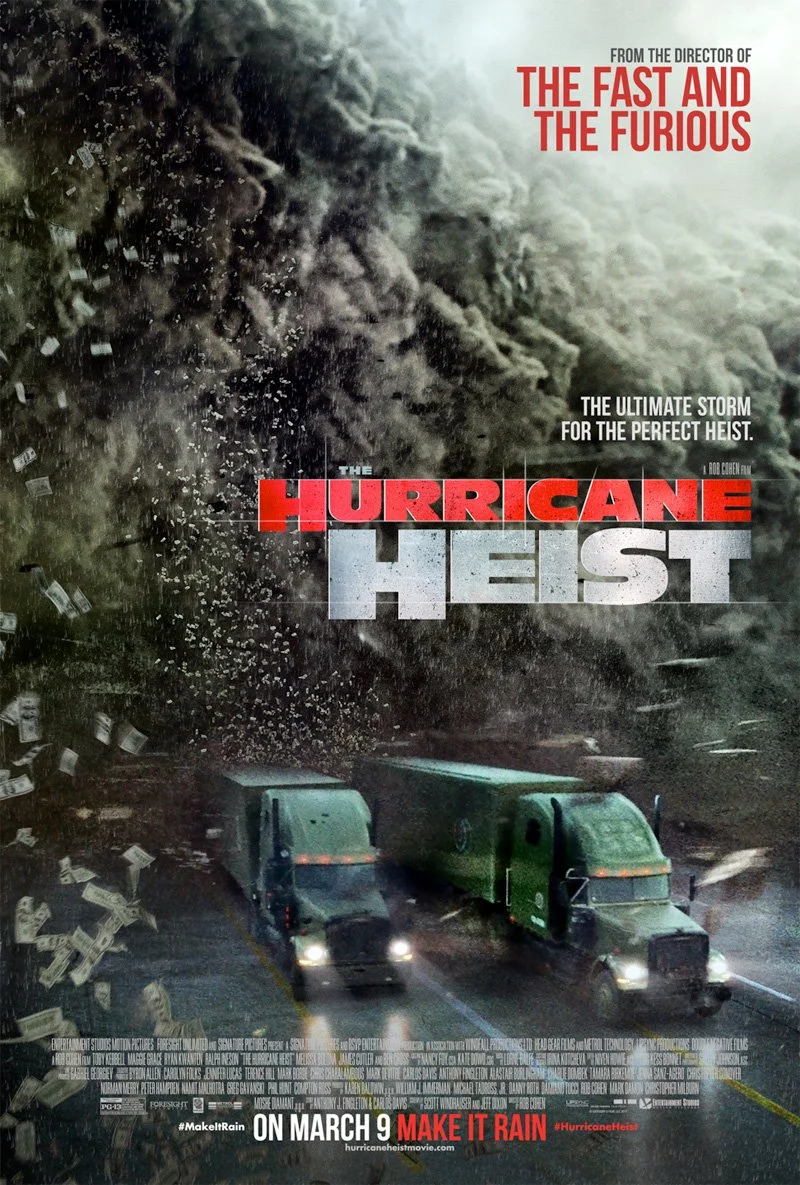
7. The Hurricane Heist (2018)
There’s something wonderfully old-fashioned about The Hurricane Heist. A small Alabama town is being battered by a once-in-a-generation storm just as a gang of thieves arrives with plans to steal $600 million from the US Treasury. Naturally, the hurricane has other ideas.
What follows is part disaster movie, part heist thriller: armoured trucks, flooded streets, flying debris and increasingly violent weather, all played with exactly the right amount of seriousness. It moves quickly, looks suitably apocalyptic and never wastes too much time explaining itself when there’s another enormous storm cloud on the horizon.
Will you watch the whole thing? Almost certainly.
Best watched: On a rainy night, preferably with nowhere to go.
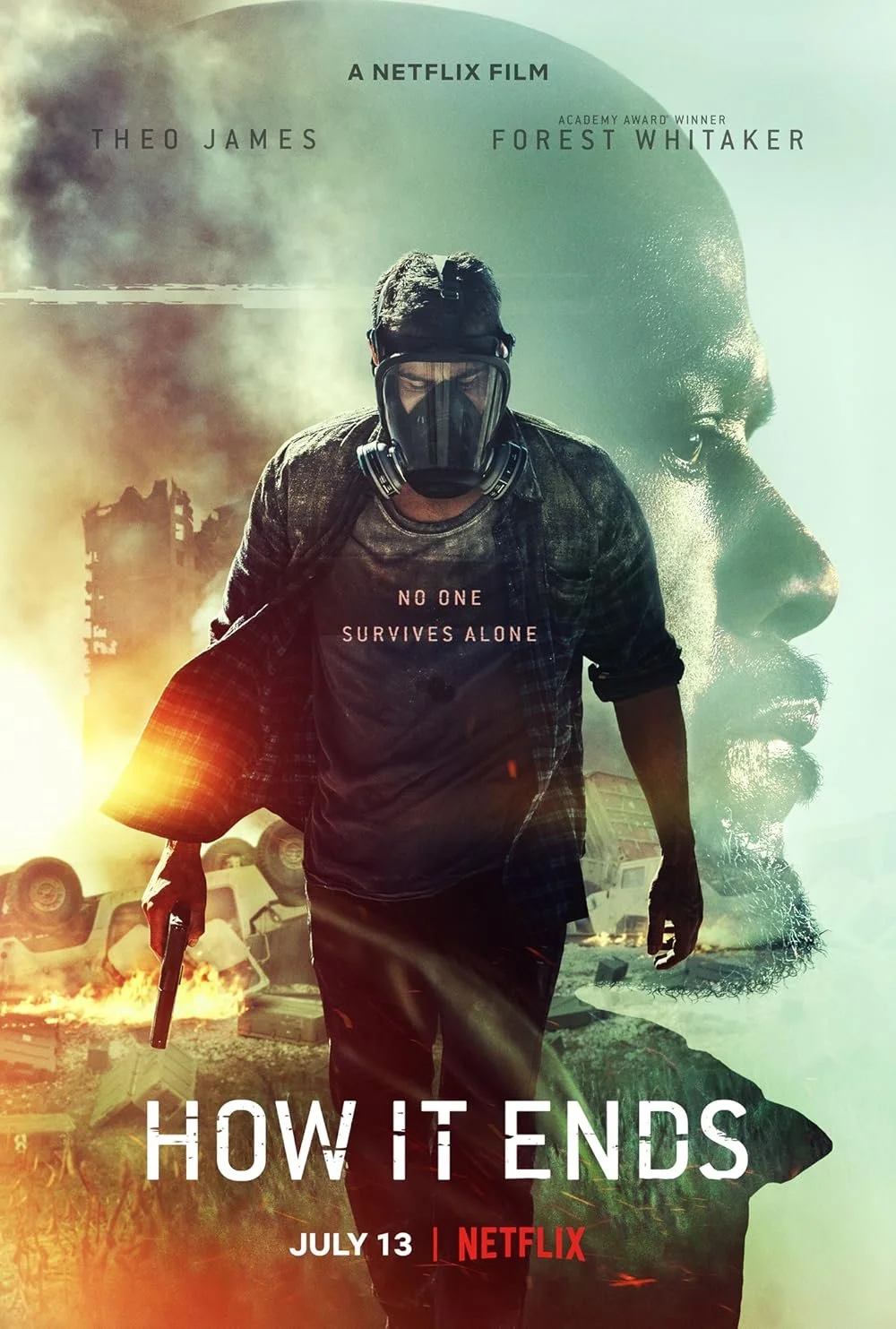
8. How It Ends (2018)
Something has happened.
Quite what has happened is another matter.
When a mysterious disaster knocks out communications across America, Theo James and Forest Whitaker set off across the country to find the woman they both love.
The appeal here isn't enormous CGI landmarks collapsing. It is uncertainty. Empty roads. Abandoned towns. Strange weather. Nobody knowing what is happening beyond the next few miles.
The film understands one of the genuinely frightening things about catastrophe: information disappears before answers arrive.
Best watched: Late at night.
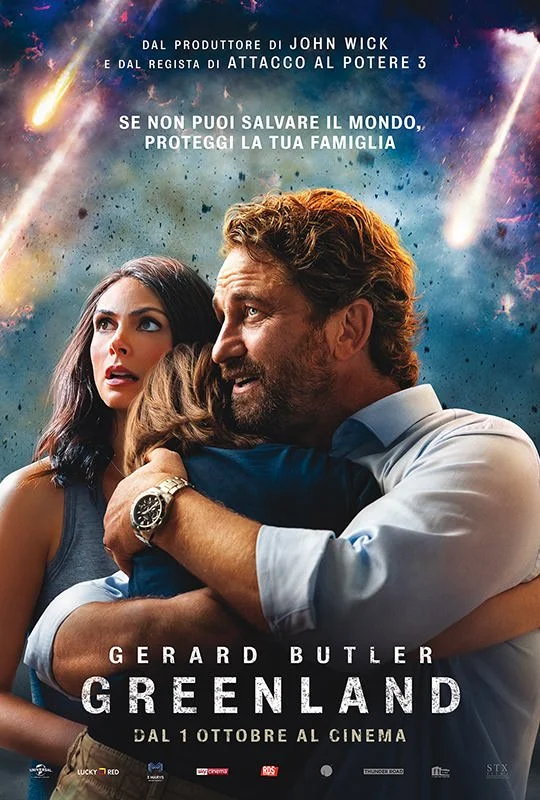
9. Greenland (2020)
Gerard Butler discovers that a planet-killing comet is heading towards Earth, which is unfortunate even by Gerard Butler standards.
What makes Greenland surprisingly effective is its scale. Rather than spending the entire film watching monuments explode, we remain largely with one family trying to reach safety while society collapses around them.
Flights fill. Roads close. Rumours spread. People panic.
The apocalypse becomes frighteningly administrative.
And then, naturally, the sky catches fire.
Best watched: With your passport somewhere reassuringly nearby.
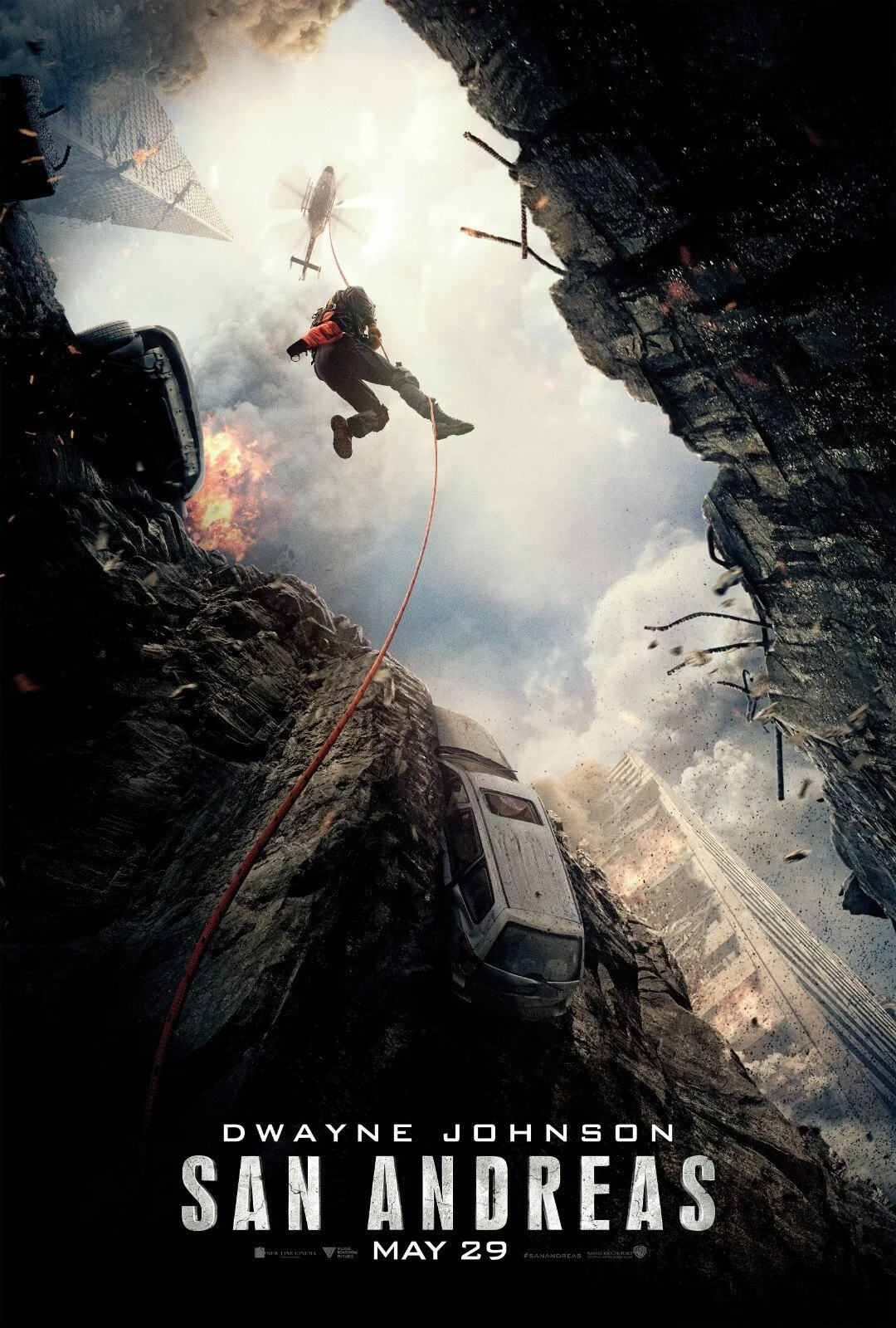
10. San Andreas (2015)
California has apparently offended cinema.
This time the San Andreas Fault gives way, leaving Dwayne Johnson to commandeer virtually every available mode of transport while attempting to rescue his family.
Earthquakes destroy Los Angeles. San Francisco gets a tsunami. Buildings fold into one another like cardboard.
It is exactly as subtle as you imagine.
Fortunately, subtlety would be entirely beside the point.
Best watched: With popcorn and low expectations of structural engineering.
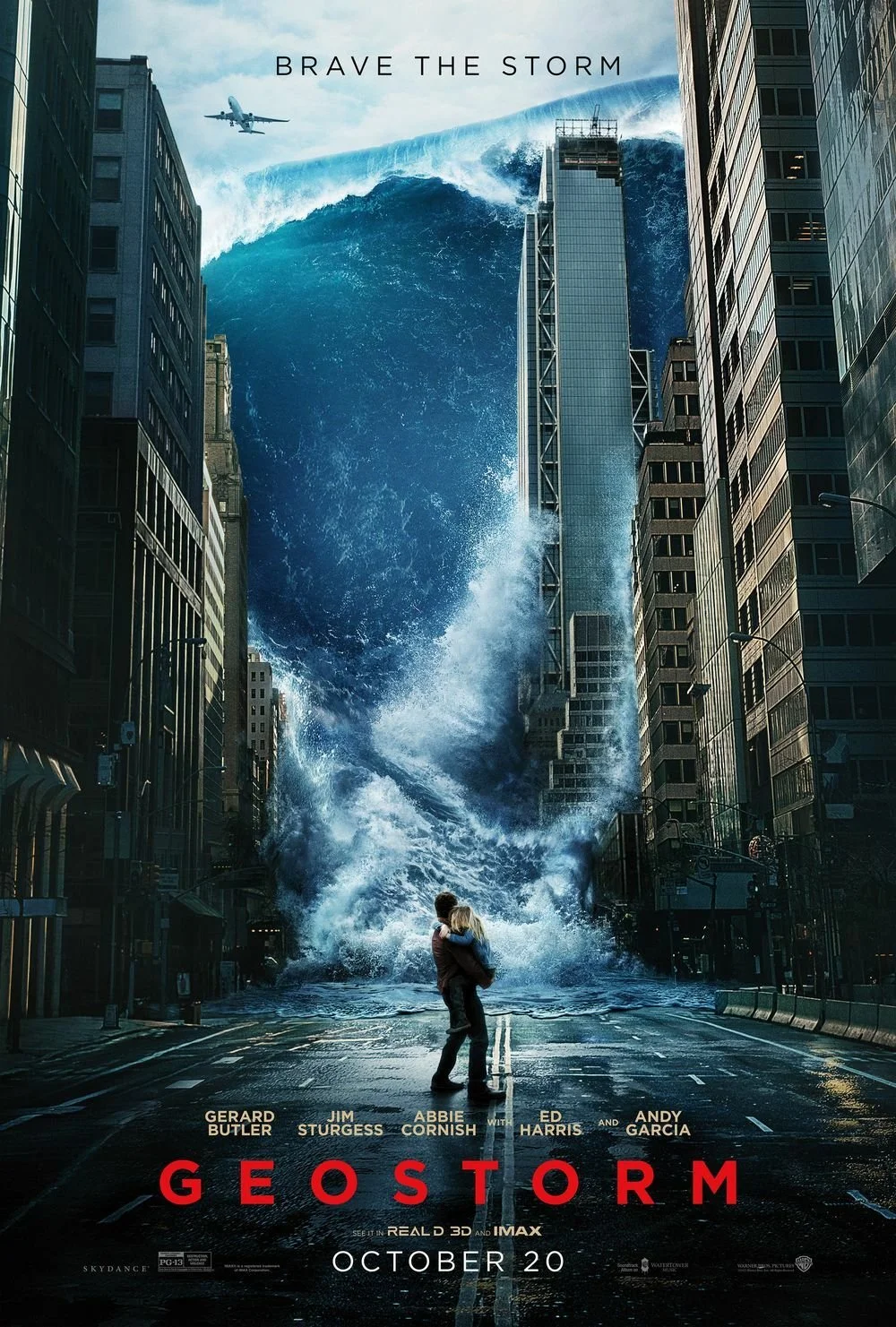
11. Geostorm (2017)
Humanity has created a network of satellites capable of controlling the weather.
What could possibly go wrong?
Everything.
Temperatures plummet, cities flood, streets explode and Gerard Butler is dispatched into space to sort out the world's meteorological tantrum.
Geostorm occupies that wonderful corner of cinema where the premise becomes more entertaining the less you interrogate it.
Do not interrogate it.
Best watched: After 2012, when your standards for scientific plausibility have already been appropriately lowered.
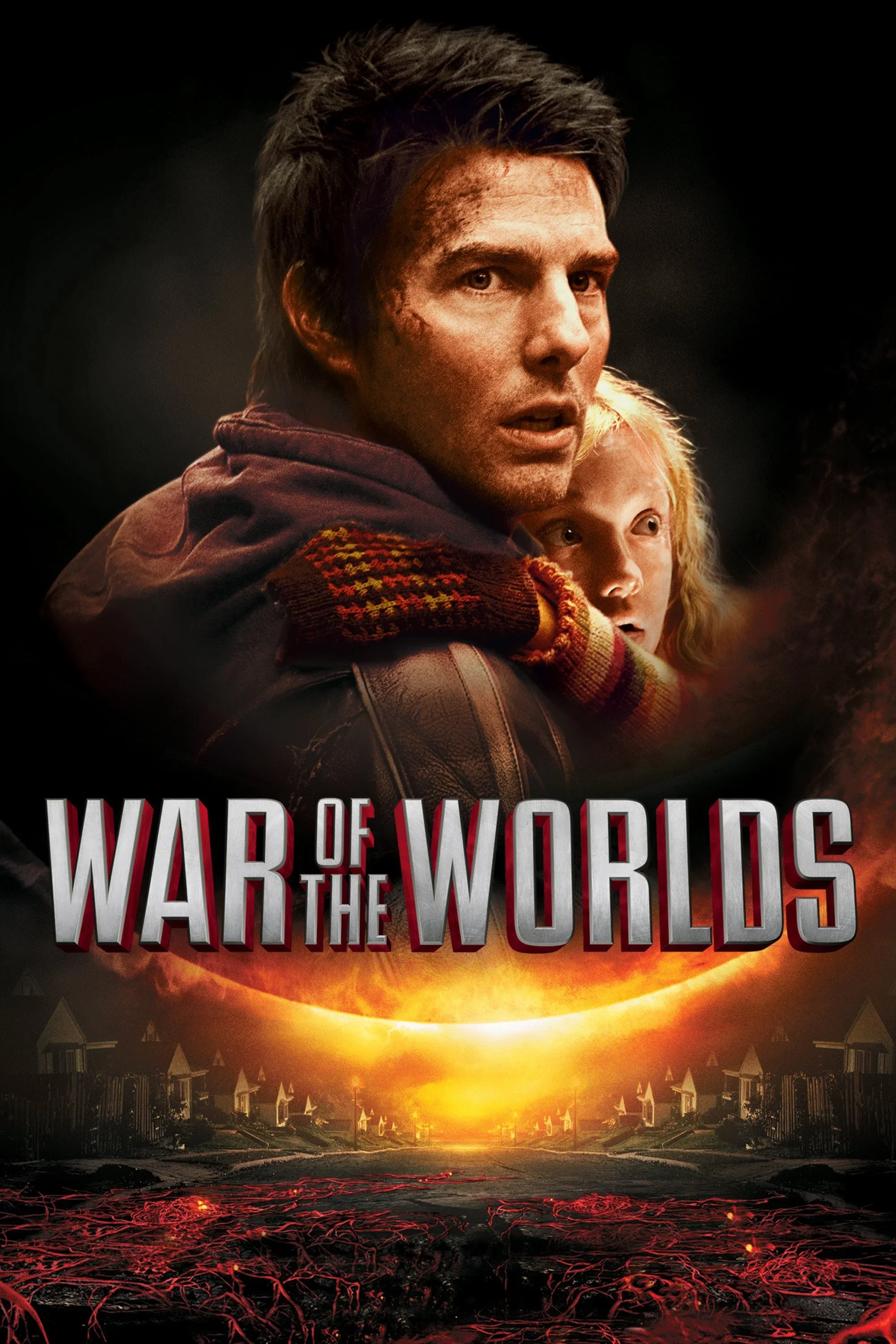
12. War of the Worlds (2005)
The end of the world, Spielberg-style.
Tom Cruise is an ordinary father when enormous alien machines emerge from beneath the ground and begin obliterating civilisation.
The first attack remains genuinely frightening. There is no heroic preparation and very little understanding of what is happening. People simply run.
Spielberg keeps much of the story at street level, which makes the destruction feel disturbingly immediate.
Among all the fun on this list, this is one of the films that actually manages to make catastrophe frightening.
Best watched: In the dark.
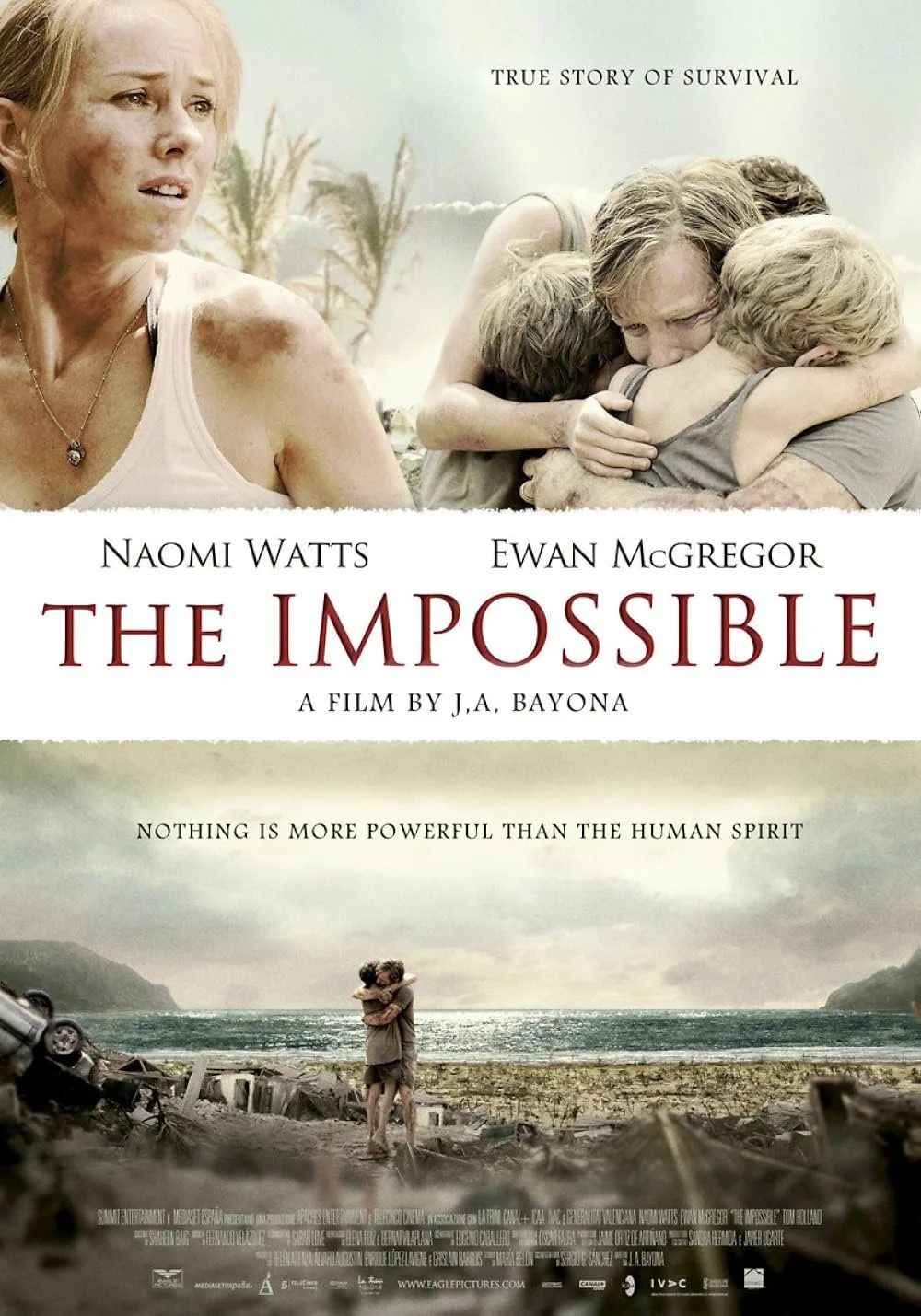
13. The Impossible (2012)
Unlike almost everything else here, The Impossible is based on a real catastrophe, and that changes the experience completely.
Naomi Watts and Ewan McGregor play parents separated from one another and their children during the 2004 Indian Ocean tsunami.
The tsunami sequence is astonishing, but the film is ultimately about what happens afterwards: confusion, injury, searching and the desperate hope that someone you love is still alive somewhere among thousands of strangers.
Not exactly popcorn viewing. Extraordinary nonetheless.
Best watched: When you're prepared to cry.
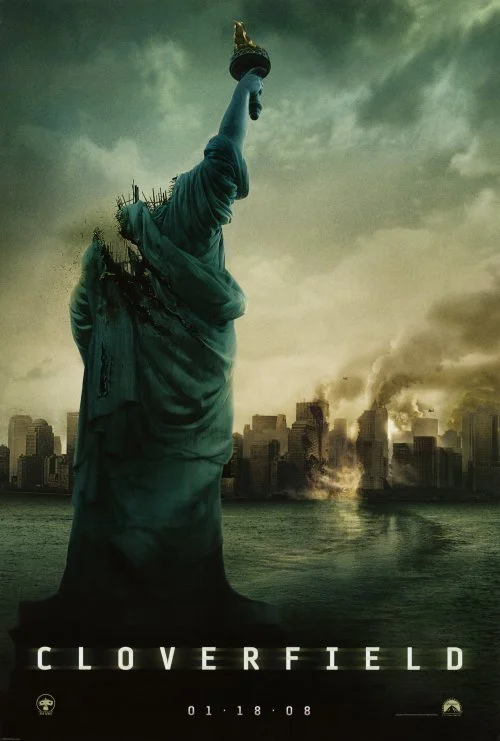
14. Cloverfield (2008)
A leaving party in Manhattan is interrupted by something enormous.
We never get the comfortable bird's-eye view of the destruction. Instead, Cloverfield keeps us down on the street, running alongside people who have no idea what they are looking at.
The handheld camera makes everything messy, fragmented and immediate. The glimpses are more effective than explanations.
And then there's the Statue of Liberty's head.
One of those images that tells you very quickly that the evening has taken a turn.
Best watched: Close to the screen.
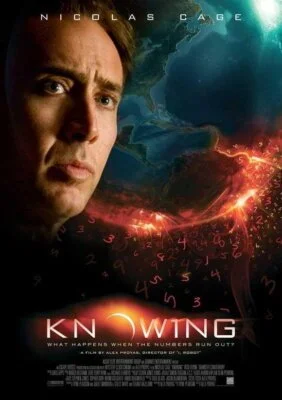
15. Knowing (2009)
Nicolas Cage discovers a page of numbers that appears to have predicted every major disaster of the previous fifty years.
Unfortunately, there are still numbers left.
Knowing begins as a mystery, becomes a disaster film and eventually wanders somewhere considerably stranger.
There are eerie children, terrifying predictions and several sequences of destruction that arrive with almost no warning.
It is odd, gloomy and far better at getting under your skin than it has any right to be.
Best watched: When you're in the mood for something slightly unsettling.
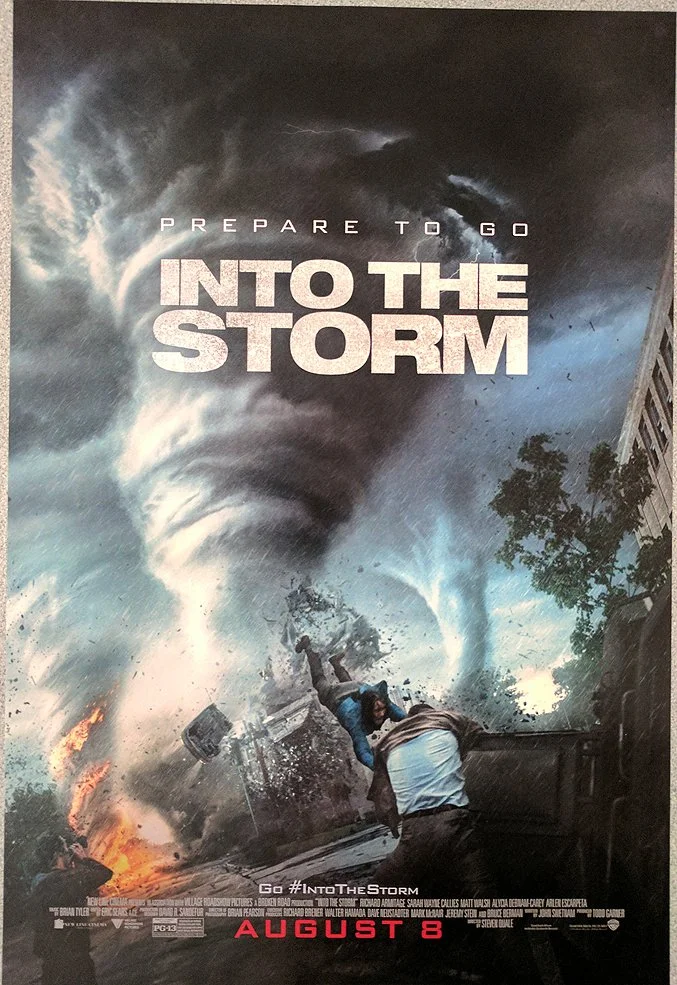
16. Into the Storm (2014)
If Twister looked at a tornado and thought, “We should study that,” Into the Storm looks at one and thinks, “Get the camera.”
A small American town finds itself beneath an outbreak of increasingly absurd tornadoes while storm chasers, students and various unfortunate locals attempt to survive.
Eventually there is a fire tornado.
A tornado. Made of fire.
Cinema had clearly exhausted the normal kind.
Best watched: When Twister isn't quite enough.
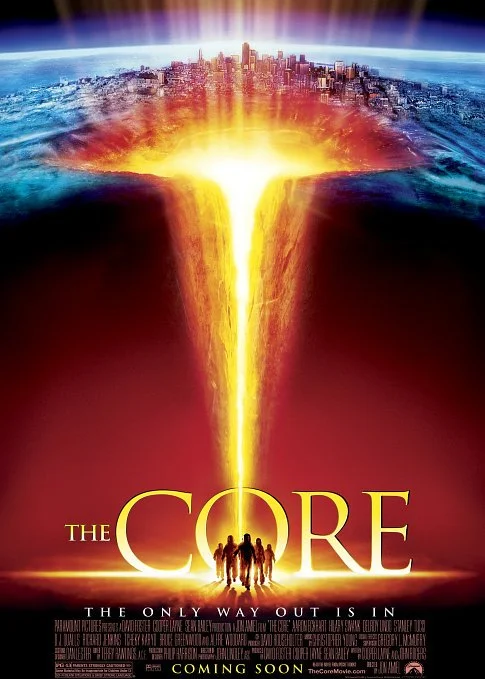
17. The Core (2003)
The Earth's core has stopped rotating.
Please do not ask too many questions.
A group of scientists must travel to the centre of the planet and restart it using nuclear explosions, which is the sort of sentence that makes you grateful Hollywood exists.
Stanley Tucci is involved. So is a gigantic subterranean drilling machine. Science is treated more as a loose suggestion than a binding framework.
It is glorious.
Best watched: With someone who will become annoyed by the science.
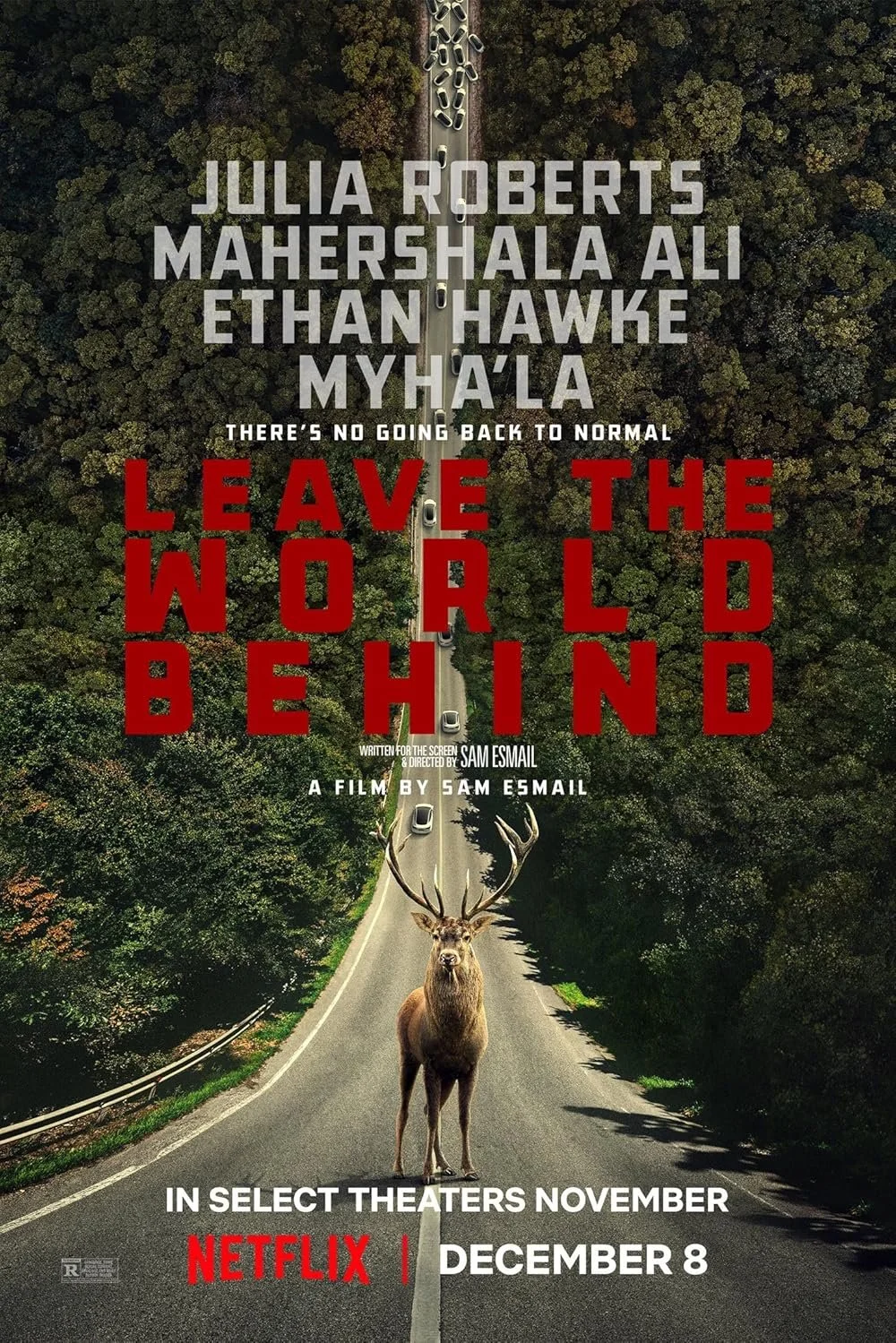
18. Leave the World Behind (2023)
The apocalypse for people with very nice interiors.
Julia Roberts and Ethan Hawke rent a beautiful house for the weekend. Then the internet stops working. Ships run aground. Animals behave strangely. Nobody can work out what is happening.
There are no reassuring television reports explaining the disaster. Information arrives in fragments and suspicion fills the gaps.
It is sleek, uncomfortable and particularly effective because so much of modern life depends upon systems we barely notice until they disappear.
Also: an excellent house.
Best watched: Immediately after putting your phone on airplane mode.
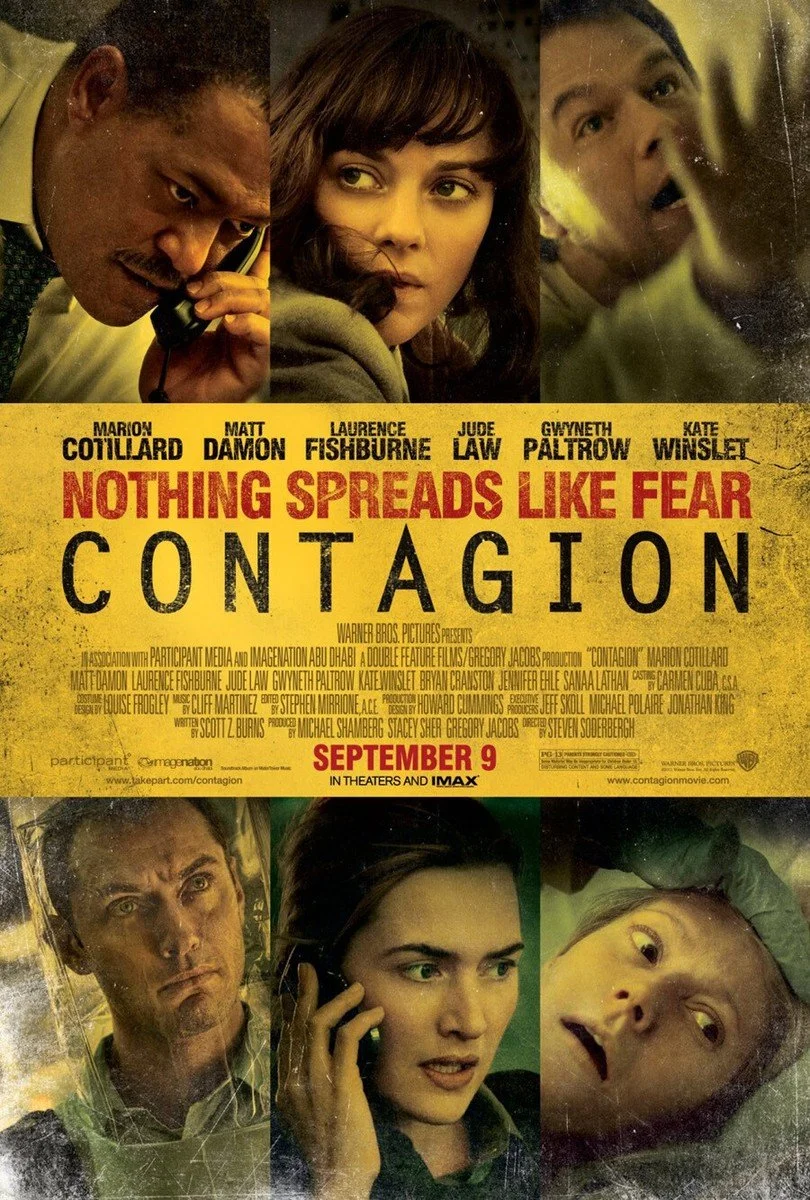
19. Contagion (2011)
Once upon a time, Contagion seemed like an unusually convincing fictional pandemic thriller.
Then 2020 happened and everyone collectively decided Steven Soderbergh had been showing off.
A virus spreads rapidly around the world while scientists, governments, families and opportunists respond to it.
There are no asteroids or collapsing skyscrapers. Just door handles, coughing strangers and the suddenly sinister act of touching your own face.
Possibly the least relaxing film on this list.
Best watched: Not on a plane.
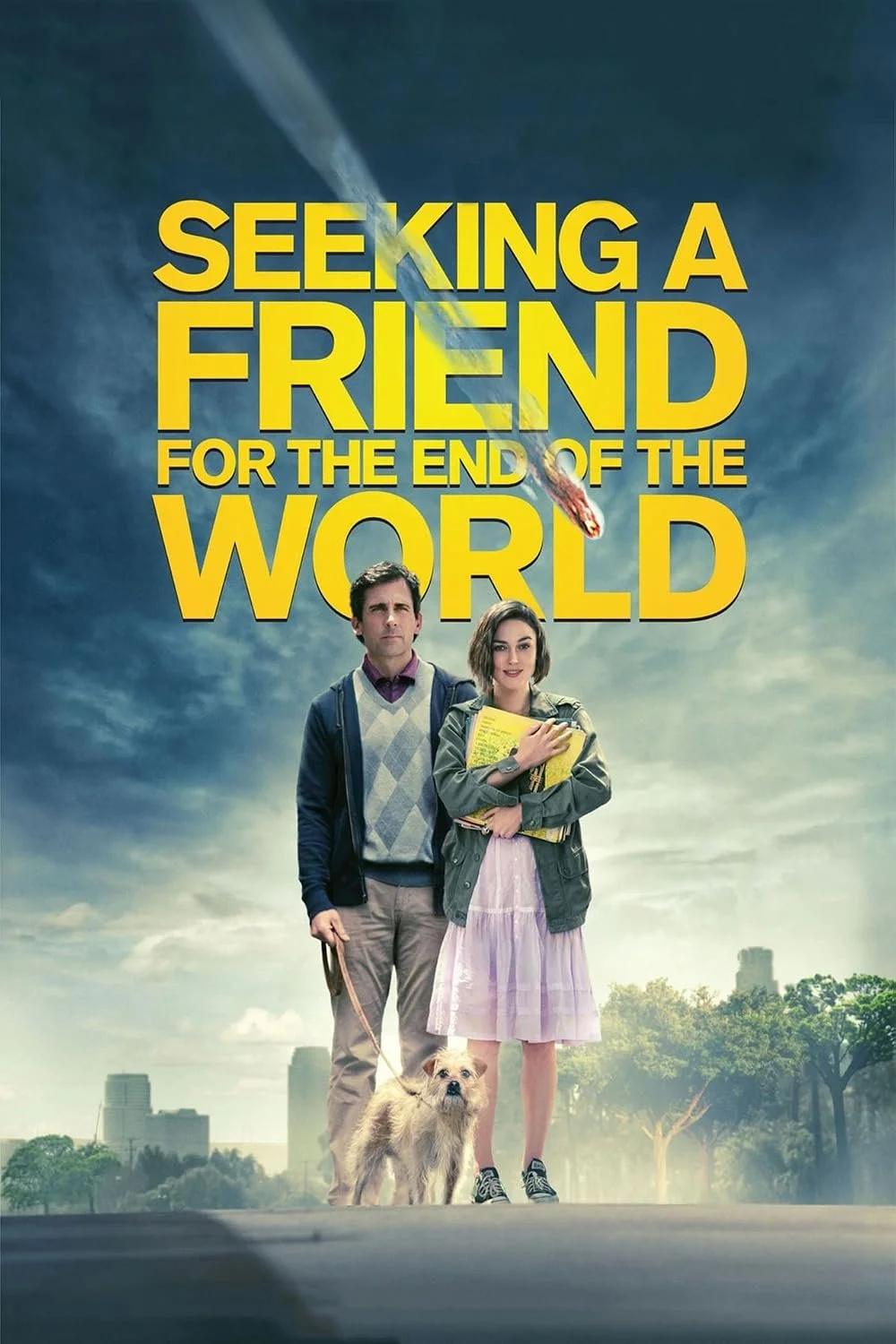
20. Seeking a Friend for the End of the World (2012)
And finally, the world actually is ending.
No secret government programme. No heroic astronaut. No last-minute scientific breakthrough.
An asteroid is coming and everyone has three weeks left.
Steve Carell and Keira Knightley set off on a road trip while the rest of humanity decides what exactly one is supposed to do when there is no future to prepare for.
It is funny, strange and unexpectedly tender.
After nineteen films about saving humanity, perhaps this is the right place to finish: with two people simply trying not to be alone when the lights go out.
Best watched: With someone you rather like having around at the end of the world.