A HOUSE WITH GOOD BONES
Credit - Inigo
The pleasure of a period home is in its particulars. Look closely before you start removing them. And leave the spotlights at the showroom.
Some people buy a period house and immediately set about correcting the dreadful mistake of it having any character. Out go the original doors and fireplaces; in comes grey laminate, for those who have always dreamed of living in a regional lettings office..
A period house with uPVC windows and a ceiling full of spotlights. A travesty, frankly. Someone loved that house enough to put cornicing in it, and this is how we repay them.
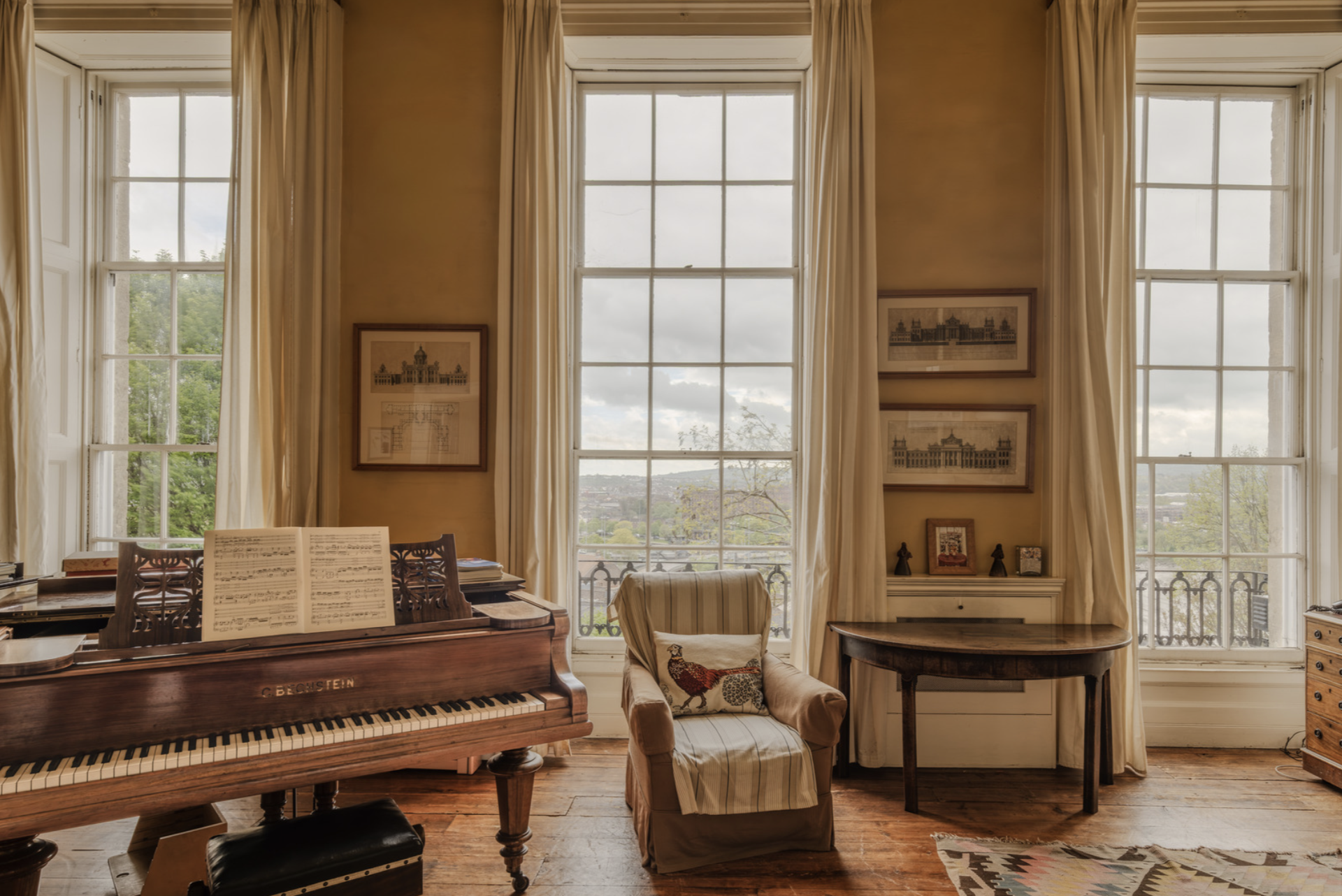
A beautiful period house requires a little more observation and a little less enthusiasm with a sledgehammer. Before choosing the kitchen, look at the windows. Before ordering a sofa, spend some time in the room. Notice where the light falls, how the doors sit within their frames, the depth of the skirting boards. These are the things that made you want the house, even if you didn’t consciously register them at the viewing.
When looking for a period property, look beyond the staging. An ugly carpet is easy to forgive if there is a handsome staircase beside it. Wallpaper can come down; a well-proportioned room will still be well-proportioned. Look for panelled doors, cornicing, ceiling roses, fireplaces, shutters, tiled entrances and old ironmongery. None needs to be especially grand. A modest door with a lovely handle can give more pleasure than an expensive fitting chosen from a catalogue.
Also look at how much of the house still belongs together. Do the doors match? Does the fireplace feel comfortable in the room? Have the windows retained the proportions that give the façade its expression? A house needn’t be untouched, but it helps when its alterations have been made with some understanding of what was there.
Once you have the keys, resist the urge to make every decision at once. Live with the things you think you dislike. You may still hate the dining-room wallpaper in six months, but you might discover that the separate dining room is rather wonderful. Somewhere to eat by candlelight without looking at the washing-up is a luxury worth considering before knocking through.
Retain what is good, repair what is tired, and be selective about what you put back. Adding elaborate plasterwork to a simple cottage can feel as awkward as stripping every detail from a generous townhouse. If you are reinstating a missing feature, take your cue from surviving details in the house and comparable homes nearby. Architectural salvage is useful here, but so is restraint. The largest marble fireplace you can afford is not necessarily the one your sitting room wants.
Then there is the lighting. A room should be somewhere you want to sit after dinner. Table lamps beside chairs, a shaded floor lamp, a pair of wall lights and a pendant where it makes sense will do far more for its atmosphere than a ceiling delivering equal brightness to every square inch. Give yourself enough light to read, cook and find the missing earring, but allow the room to have shadows. Put lamps where people actually spend time, with switches they can reach. Warm light and a dimmer are excellent investments.
Colour deserves similar thought. White is a choice, not an obligation. A north-facing room may never become sunny through determination and a pot of brilliant white; it might be much more inviting in tobacco, olive or a deep, muddy red. Equally, a pale room can be beautiful when the shade works with its light and the materials around it. Test generous patches and look at them in the evening. You will be living with the colour under lamplight as well as admiring it at eleven in the morning.
Pay attention to the woodwork, too. Doors, skirtings and window frames occupy a surprising amount of a room. Painting them in a colour related to the walls can create a quieter effect; a deliberate contrast can draw attention to particularly good joinery. There is no need to outline everything in bright white by default.
Furnish with a little freedom. You do not owe the house a complete suite of furniture from its own century. An old chest, a contemporary sofa, a generous rug and a painting you love can sit very happily together. What matters is scale, texture and whether you actually enjoy using them. Small furniture can look rather apologetic in a tall room; curtains that stop short of the floor can make a beautiful window feel unfinished.
Let some things show their age. A worn stair tread, softened brass or a slightly uneven floor can be part of the pleasure. There is a difference between looking after a house and polishing away every sign that anyone has lived in it.
And leave room for your own life. Books should be within reach. There should be somewhere to put a drink. Hang the picture that means something to you, even if it introduces an inconvenient colour.
The nicest period houses make you want to take off your coat and stay for another glass. Their beauty is there in the proportions, the materials and the details someone had the sense to keep. Your job is to make it comfortable enough to enjoy.