A LITTLE OVERDRESSED
Somewhere along the way, getting dressed became another problem to solve. Perhaps it is time we started enjoying it again.
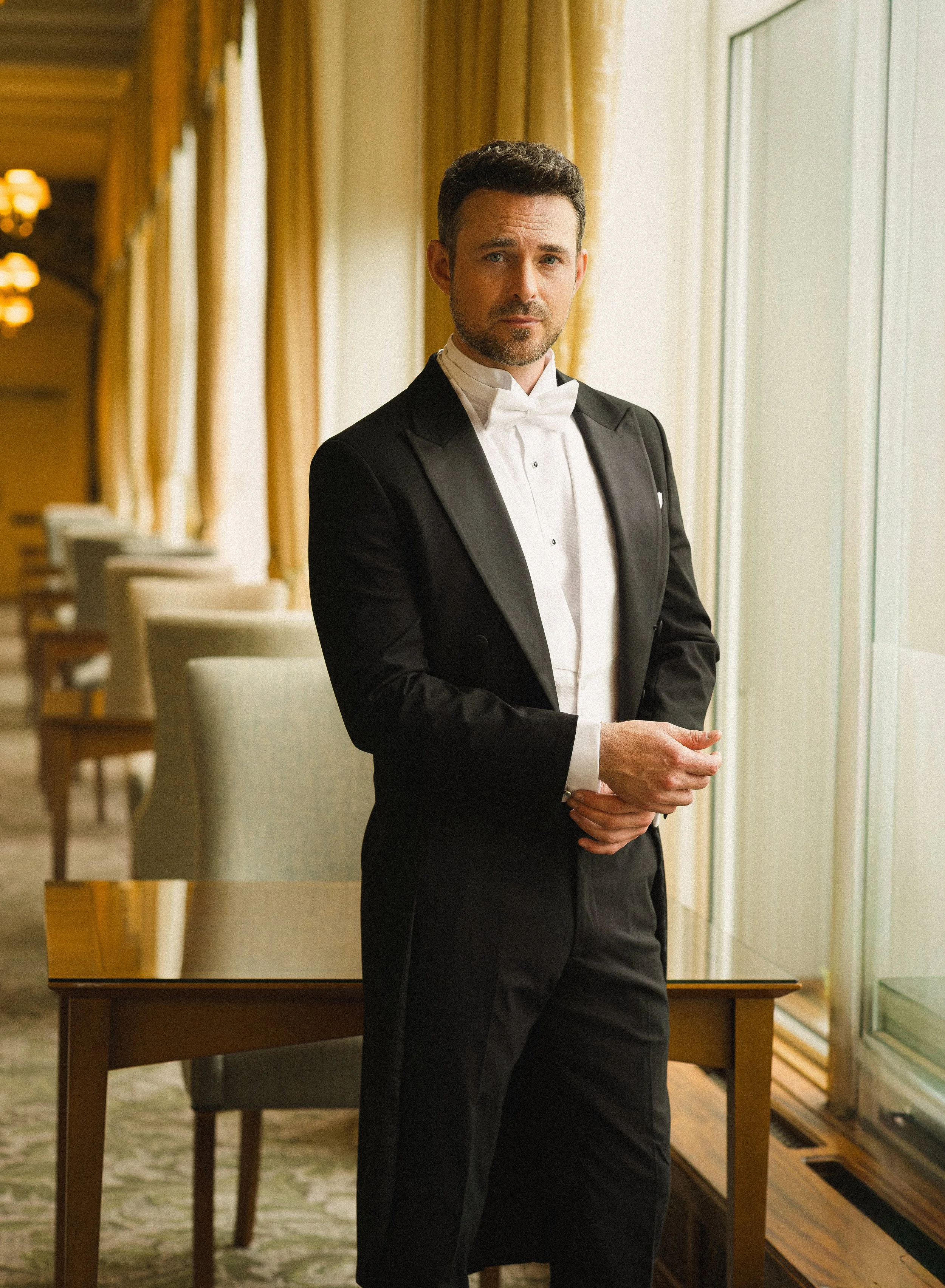
Jules Knight. Dobell
There are people who seem to understand that getting dressed is allowed to be fun. They wear a silk scarf to buy a newspaper. They put on a suit when nobody has asked them to. They wear enormous sunglasses on grey days, inherited jewellery with a white T shirt, lipstick to breakfast, velvet before six. They are not necessarily fashionable, and quite often they are breaking whatever rules fashion has temporarily decided upon. But you notice them.
We used to dress for things. Dinner required a change of clothes. Travelling had its own wardrobe. There were clothes for the theatre, clothes for Sunday, clothes for holidays and clothes kept carefully for best. Some of this belonged to a world of unnecessary rules and rigid expectations that we are probably better without. Yet in throwing away the rules, we may also have lost some of the pleasure.
The modern wardrobe has become extraordinarily practical. Trainers take us almost everywhere. Workwear has softened. Restaurants have relaxed their dress codes. A person can spend an entire day in essentially the same clothes and move from breakfast to work to dinner without ever being improperly dressed.
This is wonderfully liberating. It is also, occasionally, a little boring.
DRESSING UP
There is something transformative about wearing clothes that are slightly more fabulous than the occasion requires.
Not dramatically so. This is not an argument for appearing at the supermarket in an opera cape, although one should never entirely rule it out. It is simply the pleasure of making an effort when no effort is demanded.
A beautifully dressed woman at an ordinary café can alter the atmosphere of the room. So can a man in a proper jacket at a pub. There is generosity in it. Dressing well is usually discussed as something we do for ourselves, but it is also something we give to other people. Clothes contribute to the scenery of life.
Think of the people you remember seeing years later. The elderly woman on the train in an immaculate camel coat. The man who always wore a tie when everyone else had stopped. The friend who wore red lipstick to the beach. They become characters in our memory partly because they bothered to look like themselves.
THE CASE FOR TOO MUCH
Good taste is frequently confused with restraint. Neutral colours, discreet jewellery, immaculate tailoring and nothing that draws too much attention to itself. It is certainly one kind of elegance. It is not the only one.
Some of the most stylish people in history understood the value of excess. A ridiculous brooch. A fur coat over pyjamas. Men's tailoring on a woman, pearls with a sweatshirt, evening clothes in daylight. Style becomes interesting at precisely the point where something is a little unexpected.
The secret is not simply to pile things on. It is conviction. An eccentric hat worn apologetically becomes a mistake. The same hat worn as though there could never have been another choice becomes character.
This is perhaps why genuinely personal style can be difficult to manufacture. It requires accepting that not everybody will like what you are wearing.
MEN SHOULD HAVE MORE FUN
Men, particularly, have been given an increasingly narrow version of casual dress. There is nothing wrong with a T shirt, jeans and trainers, but somewhere between the disappearance of the tie and the triumph of athleisure, an enormous amount of possibility seems to have been abandoned.
A man once had permission to think seriously about a pocket square. He could own an evening jacket, wear a silk dressing gown, choose cufflinks, polish shoes, have an opinion about the width of a trouser. None of this made him frivolous. Clothes were simply another arena in which taste could be expressed.
The joy of menswear is still there for anyone interested enough to find it. A knitted polo instead of a T shirt. Cream trousers in summer. A battered dinner jacket worn without ceremony. A beautiful watch. Proper shoes. A coat with enough sweep to it that walking becomes slightly more enjoyable.
The point is not formality. It is intention.
WOMEN HAVE ALWAYS KNOWN
Women's relationship with clothes is more complicated. Fashion has offered women extraordinary possibilities for reinvention while simultaneously giving them an exhausting number of things to feel wrong about. Too old for this, too young for that, too dressed up, too sexy, not sexy enough, trying too hard.
Perhaps the most compelling women to look at are those who eventually stop negotiating.
They cut their hair short or grow it to their waist. They wear the same enormous earrings for twenty years. They discover men's shirts, leopard print, black polo necks, miniskirts, kaftans or perfectly severe suits and decide that this is simply how they look now.
Age often improves this kind of style. The desire to appear correct begins to loosen and personality takes up more space.
There is something enormously attractive about a person who has stopped dressing for an imaginary panel of judges.
WEAR THE GOOD THING
Most of us own something we are saving.
The beautiful dress waiting for the right dinner. The shoes that are too good for everyday. The jacket that requires somewhere worthy of it. The jewellery kept in its box because today is not sufficiently important.
The trouble is that ordinary life accounts for most of our lives.
Perhaps the restaurant does not need to be special enough for the dress. Perhaps Tuesday is sufficient reason for the earrings. Perhaps the expensive perfume can be worn while working from home and the champagne glasses can hold something that isn't champagne.
Clothes are particularly unforgiving objects to save for later. Bodies change. Lives change. Invitations never quite materialise in the form we imagined. The thing we adored at thirty can sit untouched until forty, perfectly preserved and somehow no longer ours.
Wear it.
MAKE AN ENTRANCE
The purpose of clothes is, on the most basic level, to cover the body. Almost everything interesting about them begins after that requirement has been met.
They can seduce, disguise, exaggerate, reassure, provoke and amuse. They allow us to decide, however briefly, which version of ourselves is going out into the world. Sometimes that version is quiet. Sometimes it wants the enormous coat.
There will always be mornings when getting dressed means finding the cleanest thing on the chair. There should be. Life would be intolerable if every breakfast required a sartorial thesis.
But occasionally, for no particularly good reason, put on the good jacket. Wear the ridiculous earrings. Polish the shoes. Add the scarf. Change before dinner.
Not because anybody expects you to.
Because nobody does.