A Little More Drama, Please
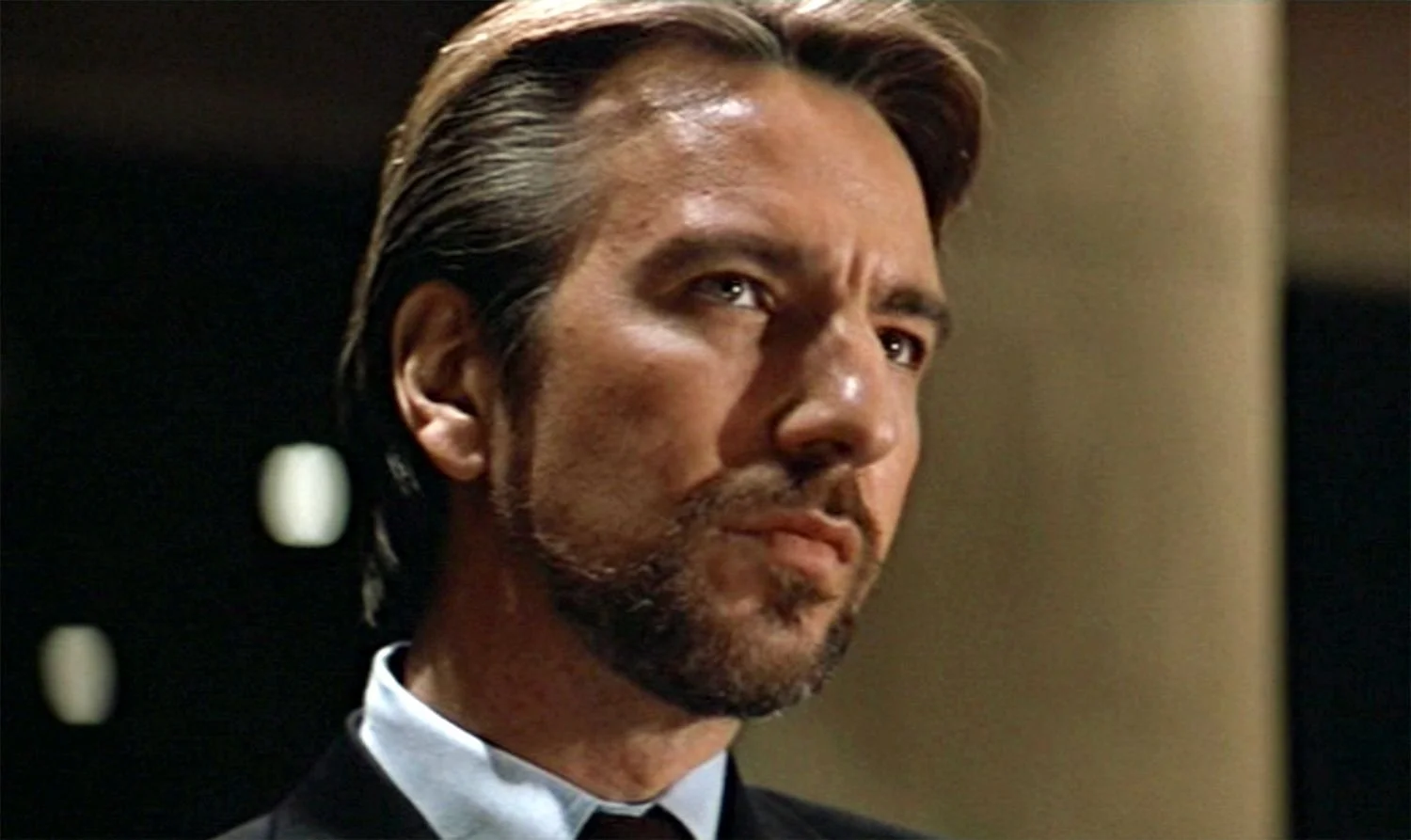
Credit: 20th Century Studios
We celebrate cinema’s boldest performances. So why has doing less become such a mark of good acting?
Alan Rickman. Daniel Day-Lewis. Marlon Brando. Leonardo DiCaprio. Christian Bale. These are some of the greatest actors of all time, and nobody could accuse them of being afraid to give a performance.
They can be quiet, of course. Exceptionally quiet. But they also use their voices, faces and bodies in ways that are peculiar, surprising and sometimes enormous. We remember how they say something, how they move, the strange little decisions another actor might never have made. Their performances stay with us long after we have forgotten the plot.
If this is the acting we admire, remember and return to, why does so much of what we watch now seem to be heading in the opposite direction?
You probably recognise the style. A low voice. A steady gaze. Dialogue delivered with very little change in rhythm, whether the character is ordering breakfast or discovering a terrible betrayal. There is a pause in which we are invited to imagine considerable emotional activity. Sometimes we can feel it. Sometimes we are doing rather a lot of the work.
This is hardly a description of every contemporary performance. But it is a familiar enough version of screen seriousness to warrant a question: when did doing less become such a reliable sign of doing it well?
Watch Rickman. Even at his most restrained, there is an unmistakable appetite for language. He might delay a word, lean unexpectedly on another or make politeness sound like a fairly serious threat. As Hans Gruber in Die Hard, his composure has wit, vanity and calculation behind it. You watch him listening because you want to know what he will do next.
Day-Lewis gives Daniel Plainview a voice and physical presence so particular that There Will Be Blood seems to organise itself around him. DiCaprio in The Wolf of Wall Street lets self-importance become an athletic event. Bale’s Patrick Bateman has practically rehearsed being a person, and the effort is both hilarious and horrible.
The pleasure comes from specificity. These actors have made decisions about who these people are, right down to how they occupy a chair. You could dislike a choice. You could find it excessive. You would struggle to call it interchangeable.
So what is encouraging the smaller approach?
One explanation begins with perfectly good advice. The camera picks up tiny changes. A thought can register before anyone speaks; a close-up can make a flicker of hesitation feel momentous. Michael Caine has described the difficulty of doing nothing on screen while remaining fully engaged. Stillness requires concentration, responsiveness and an inner life.
The trouble comes when a useful principle hardens into a general instruction. “You don’t need to show us everything” leaves an actor room to judge the moment. “Do less” repeated regardless of the character or scene can eventually remove the very thing that made the performance interesting.
The camera’s sensitivity cannot explain a supposedly new preference on its own, either. Close-ups existed long before streaming. Earlier generations managed to accommodate both the smallest flicker and the grandest entrance.
A more convincing possibility is that restraint has become a familiar visual language for quality. Think of the words we reach for in praise: understated, internal, controlled. “Theatrical”, meanwhile, often sounds like a complaint. Before we have even discussed whether a performance suits the film, the quieter approach has acquired an air of superior judgement.
In a certain kind of serious drama, you can almost recognise the approved emotional register before you know who the characters are. Everyone seems guarded. Everyone speaks as though someone is asleep in the next room. It can create a compelling atmosphere, but after a while you begin to wonder whether these very different people should all behave quite so similarly.
Real people are extraordinarily varied. Some perform confidence with exhausting enthusiasm. Some cannot conceal a minor disappointment. Others tell a story with six voices and a demonstration. A person can be reserved at work, ridiculous with their children and operatic during an argument about a dishwasher. There is plenty of room within believable behaviour for an actor to go further.
Brando makes this especially interesting. He helped redefine screen naturalism, yet his performances could be unruly, sensual, awkward and explosive. His influence hardly amounts to an instruction to remain impassive. He made room for contradictions, for behaviour that seemed to arrive before the character had tidied it up.
Perhaps that untidiness is part of what feels missing. A performance can be so carefully controlled that it never seems capable of surprising its own director, let alone the audience.
There is also a risk attached to a bold choice. Give a character an unusual laugh or a grandiose way of speaking and you offer people something definite to object to. Keep everything subdued and there may be fewer obvious opportunities to get it wrong. My suspicion is that understatement sometimes benefits from this protection: we are quick to recognise an actor doing too much, and less confident about saying when they have given us too little.
That does not mean actors alone are choosing this. The script, direction and editing all shape what reaches us. A director may ask for restraint; an editor may favour the quietest take. The performances we associate with great actors also belong to filmmakers who gave those actors room. Daniel Plainview needs a film willing to accommodate Daniel Plainview.
And there are obvious reasons to resist declaring expressive acting dead. Emma Stone in Poor Things uses her whole body with extraordinary freedom. Marianne Jean-Baptiste in Hard Truths makes grievance and distress forcefully, painfully present. Both offer characters whose behaviour refuses to sit politely in the background.
The point is not that every actor should turn up the volume. A whisper can be riveting. An outburst can be dull. What matters is whether there is a particular person in front of us, capable of an unexpected response.
The actors we keep returning to understand that. They vary the pressure. They can be composed, absurd, seductive, ugly, funny or suddenly exposed, sometimes within the same scene. Their restraint means something because we sense what it is containing.
We still celebrate those performances. We still hold them up as examples of what acting can achieve. It seems strange, then, to become so cautious about the boldness that helped make them great.
Surely the lesson of Rickman, Brando or Day-Lewis is that an actor should be allowed to surprise us. I would rather occasionally think “that was a bit much” than spend an entire film wishing someone would come to life.